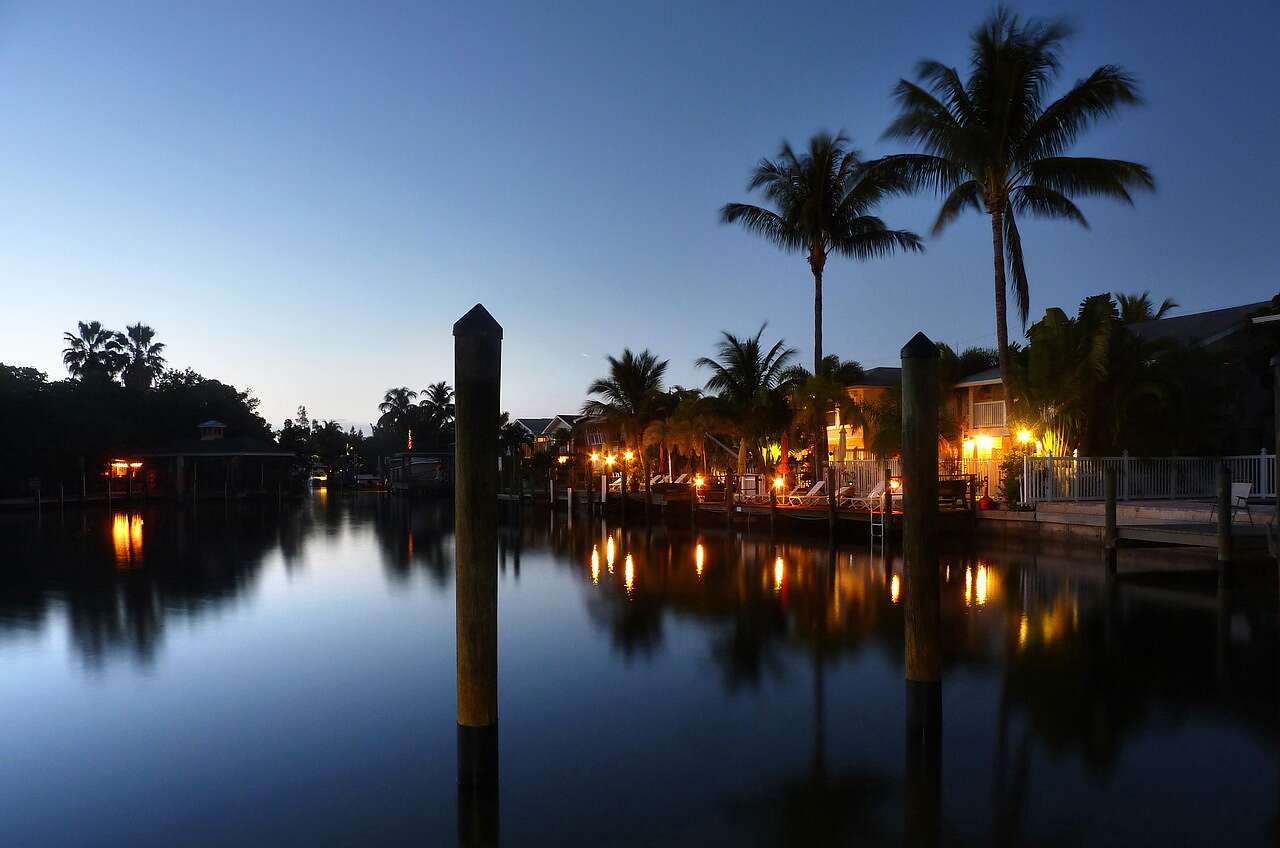
Rodent Removal in Sunrise, FL
Sunrise runs from 1960s block houses in the original Golf Village to condo towers against the Everglades levee, and each end has its own rodent route. A call gets a free inspection and an itemized plan.
Free Inspection in Sunrise
A free inspection in Sunrise covers the roofline, the attic, the canal or lake bank at the back of the lot and, on a condo or townhouse, the shared roof and the dumpster enclosure, because the two halves of this city get rats in different ways. Whoever attends measures every opening against the quarter-inch standard UF/IFAS gives for rat-proofing, checks tile eaves for the bird stop, and writes down what was found with each piece of work on its own line.
Sunrise is in Broward County, roughly twelve miles west of downtown Fort Lauderdale on Sunrise Boulevard, and the whole city from the Golf Village to the arena district is inside the service area. The line is answered at any hour. Every contractor we route holds the FDACS credential the job needs, and you can look the number up before work starts. Book a Free Inspection and describe the noise, the room and the time of night.
The original Sunrise Golf Village houses
The oldest part of Sunrise is the Sunrise Golf Village section platted in 1961, which grew into a city by 1971, and its 1960s and 1970s block houses carry the entry points that come with sixty-year-old rooflines. Aluminum soffits with panels that have shifted, fascia boards that have opened at the joints, gable vents with the original light screen, and roofs that have been re-covered two or three times since the first developer finished them. Many of those roofs are now barrel or flat tile, and a re-roof that skipped the bird stop leaves the eave open the length of the house.
The lots in the Village are small and the trees are mature, so a single ficus or mango in the back yard reaches the roof of two houses. UF/IFAS describes roof rats as the worst and most common rodent pest in Florida and says the species breeds through the year here, which is why an attic that went quiet in summer is loud again by December. The heavy summer rain from June to November pushes them under a roof, and the November to February cool snaps are when the scratching becomes audible from the bedroom. The roof rat removal page explains what gets sealed on a house of this age.
Condo and townhouse stock across the city
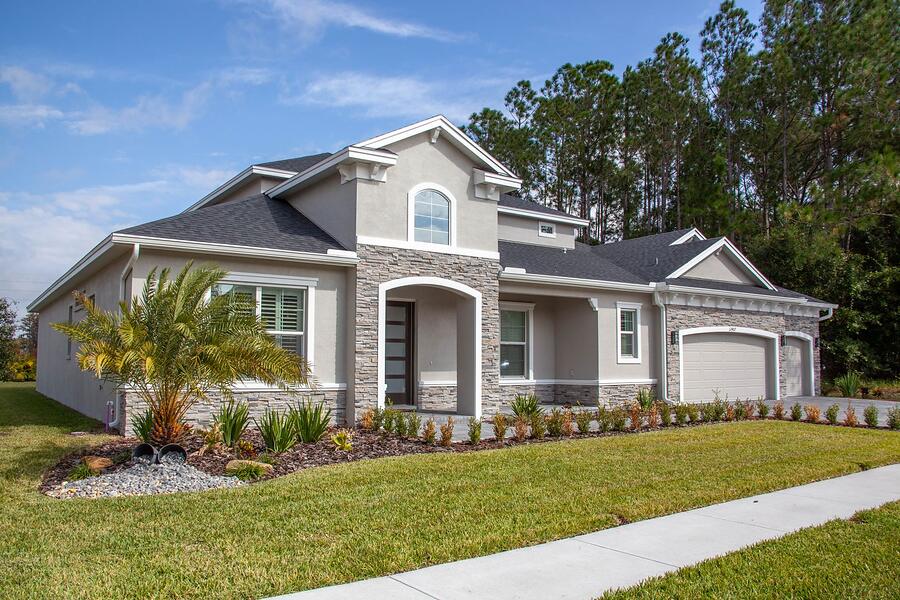
A large part of Sunrise lives in condos and townhouses, and a rodent problem in a shared building is a board and management decision with a different inspection. Rats in a two-story townhouse row travel the shared attic from unit to unit, so sealing one unit moves the problem next door. In a mid-rise the routes are the trash chute room, the dumpster enclosure, the pool equipment shed and the landscaping beds against the ground floor, and Norway rats will burrow beside a slab edge where a dumpster leaks.
The contractor we route inspects the common areas and the affected units together and gives the manager one written scope with the shared work and the unit work separated, which is what a board needs to vote on. HOA landscaping in Sunrise leans on queen and royal palms and clipped hedges against the buildings; a frond within six feet of an eave or a hedge touching a first-floor soffit is the route, and the report says so. The commercial rodent control page describes how property managers work with the network.
The western edge, Sawgrass Mills and the Everglades levee
Sunrise ends at the Everglades conservation levee, and the subdivisions, Sawgrass Mills and the arena district that fill the western edge sit a few hundred yards from open sawgrass marsh. Water Conservation Area 2 lies on the other side of the levee, managed by the South Florida Water Management District, and the drainage canals that run from the levee through the western subdivisions give a rodent a continuous line of cover from the marsh to the back fence. Native cotton rats live out there; the roof rats that end up in a Sunrise attic come from the neighborhood itself, along the canal hedge and the palms.
The western housing is 1980s to 2000s tile over block with lakes and canals behind the lots, so the inspection spends its time at the eave course, the ridge, the AC line set and the sea wall or bank at the rear. Hurricane Wilma in 2005 was estimated by insurance assessors to have damaged at least seven in ten homes and businesses in Sunrise, mostly roofs, and the Department of Energy documents how storm-displaced tiles cascade; a tile roof patched after Wilma is worth a look at the bird stop. The rodent exclusion page lists the materials that hold on a tile eave. For the retail and warehouse blocks around the mall and the arena, the ground-level Norway rat program at loading docks and dumpster pads is priced separately from any attic work.
What We Handle in Sunrise
Work routed in Sunrise is sequenced the same way whether it is a 1965 block house or a townhouse row: seal the building, trap what is inside, verify, then clean.
- Roof rat removal: the attic animal in the Golf Village and in every tile-roofed subdivision to the west
- Rodent exclusion: soffit panels, fascia joints, gable screens and tile eave closures, measured against a quarter inch
- Commercial rodent control: condo boards, townhouse HOAs, and the retail and warehouse blocks near Sawgrass Mills
- Rodent inspection: free, written up with the shared and unit work separated for a managed building
- Attic cleanup: droppings and soiled insulation out of a shared townhouse attic
- Dead rodent removal: locating and removing the carcass behind a wall after bait was used in a unit
A Typical Sunrise Job
The situation: A property manager for a townhouse row in western Sunrise gets three complaints in one week about scratching in the ceiling, from units at opposite ends of the same building. The row backs onto a drainage canal with a hedge along the fence and a line of queen palms whose fronds touch the eaves. One owner has stopped using the upstairs bedroom.
What gets done: Whoever attends walks the shared attic end to end and finds dropping runs the full length, a torn soffit screen at the canal end and an open tile course above a downspout where the bird stop is missing. The scope goes to the board in two parts: shared exclusion along the roofline with metal eave closures and galvanized hardware cloth, and trapping inside the attic above each unit, with a return visit. Fronds within six feet of the roof are flagged for the landscaping contractor. Traps are left at least a week, as UF/IFAS advises for roof rats.
How it turns out: The board approves the shared work in one vote, the traps take several animals over two weeks, and the follow-up finds no fresh droppings. The manager gets a written list of what was sealed on the building. Attic cleanup above two units is quoted separately for the owners who want it.
What This Costs in Sunrise
Rodent work in Sunrise is quoted inside the national typical-job bands below, with the real figure confirmed at the free inspection and broken into separate lines.
| Line item | National band (HomeGuide 2026) |
|---|---|
| Standalone inspection | Free here; $0 to $175 across the country |
| Trapping and removal | $250 to $1,200 |
| Full-home exclusion sealing | $500 to $2,500 |
| Attic cleanup and decontamination | $600 to $2,500 |
| Insulation removal and replacement | $2.50 to $5.50 a square foot |
| Dead rodent removal | $150 to $500 |
| Full-scope restoration | $3,000 to $10,000 and up |
In Sunrise the thing that moves a job up the band is a shared roof: a townhouse row or a condo building has to be sealed as one structure, so the exclusion line scales with the building rather than the unit. The thing that moves it down is the slab: the national guides include crawl-space and basement work that a Sunrise house does not have. On a managed building, ask for the shared scope and the unit scope as two documents.
The order an attic job runs in
Five stages, from inspection through to cleanup.
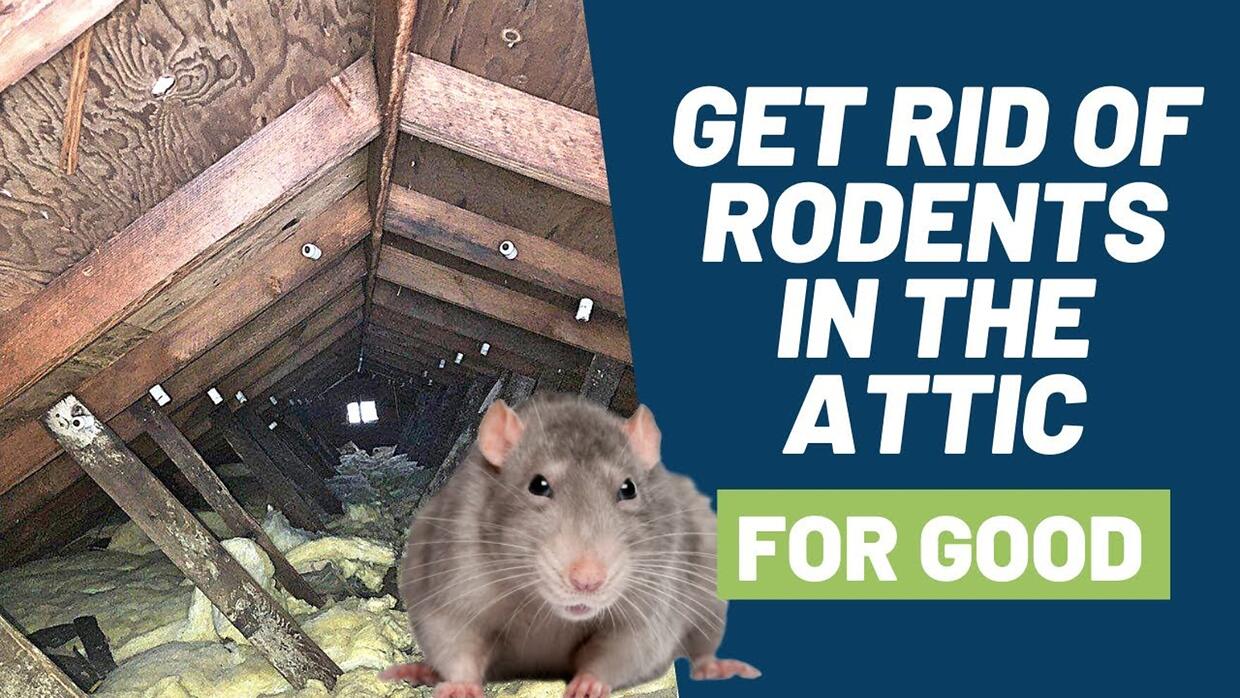
Video: 5 Step Solution to Get Rid of Rodents in Your Attic, from Atticare Construction.
Common Questions in Sunrise
What callers from Sunrise want settled before they book.
Condos and townhouses
I own a townhouse in Sunrise. Can I just have my own unit done?
Your unit can be trapped and cleaned on its own, and the sealing that ends the problem has to cover the whole roof. A townhouse row shares one attic and one eave, so a rat displaced from your ceiling settles over the neighbor and comes back when the traps are gone. The contractor we route writes the scope in two parts, unit work you can order and shared work the HOA or board has to approve, and gives you the report to bring to the manager. That split is what gets the shared part voted through.
Who is responsible for rats in a condo, the owner or the association?
The governing documents decide it, and in most Sunrise associations the roof, exterior walls, soffits and common grounds are association responsibility while the inside of the unit belongs to the owner. That maps onto the job: exclusion at the roofline and the dumpster pad is usually association work, trapping and cleanup inside the unit is usually owner work. Read the declaration before the inspection and ask whoever attends to write the scope along the same line, so the board sees its part and you see yours.
Getting rid of them
Is it safe to do exclusion before trapping?
Sealing first is the right order provided traps go in the same day, because an animal sealed in with nowhere to go chews a new exit, sometimes into the living space. Whoever attends closes the roofline and sets snap traps on the dropping runs in one visit, then returns to check them. On a 1960s Sunrise block house that usually means the soffit and gable work in the morning and the traps in the attic before leaving. Trapping with nothing sealed is the failure mode homeowners complain about most, because the attic refills within weeks.
Will the rats come from the Everglades?
The rats in a Sunrise attic are roof rats from the neighborhood, and the marsh beyond the levee is home to different animals. Florida's native cotton rat lives in that open habitat and is the state's identified hantavirus reservoir, which is one reason attic droppings here carry a low hantavirus risk; the respirator during cleanup is for general contamination, and the CDC notes rodents spread many diseases through droppings, urine and the parasites they carry. What the western edge does supply is cover: canal banks, hedges and palm lines that let a roof rat move from yard to yard without crossing open ground.
Still have a question? Call (954) 790-6402 and ask.
Nearby Areas We Serve
The contractors dispatched to Sunrise cover the neighboring Broward County towns as well, and the whole county is inside the service area.
Book a Free Inspection in Sunrise
Call (954) 790-6402 or send the form for a free inspection anywhere in Sunrise, whether it is a Golf Village house, a townhouse row or a building you manage. The phone is answered at any hour.