
About Rodent Removal Fort Lauderdale
One phone number, picked up at any hour, that puts a Broward homeowner or property manager in front of a licensed rodent contractor with a free inspection and an itemized quote.
What the phone line is for
The line is answered at any hour, and the point of the call is to get the shape of the problem before anyone is dispatched. You will be asked what you hear, which part of the house it comes from, what time of night it starts, how long it has run, and whether the lot backs onto a canal. That is generally enough to name the species and to judge whether the first visit is routine or has to be brought forward.
The dispatcher then books the closest licensed contractor for the free inspection. The inspection is the product: a walk of the roofline, the attic, the interior signs, the exterior harborage and the dock line, with every opening recorded and photographed, and an itemized quote written from it with trapping, sealing and cleanup on separate lines.
The office is at 101 NE 3rd Ave, Suite 1500, downtown, a block off Broward Boulevard. For anything in writing, use the form on the contact page, with the understanding that no quote is ever produced from a form by itself.
What to expect on the job
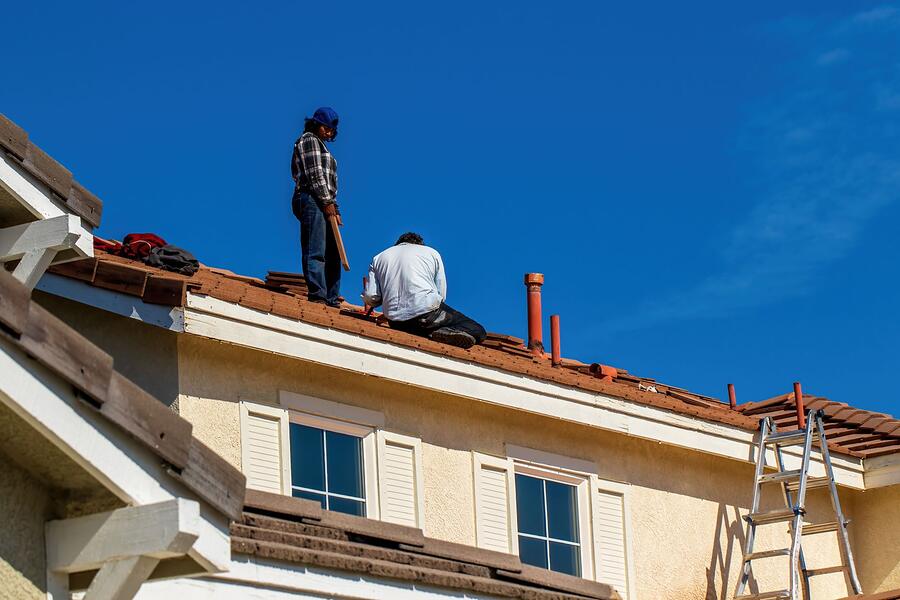
Expect the ladder at the eave and, on a waterfront lot, a walk of the sea wall before anyone goes into the attic, because on a Broward house the way in is above head height and the way to the roof is along the water. The tile eave, the soffit returns, the gable and off-ridge vents and the sleeves where AC lines pass through the block are checked first, then the attic for droppings, rub marks and flattened insulation.
Expect the sealing to be explained before it is sold. A manufactured metal bird stop along the tile eave, galvanized hardware cloth at the quarter-inch standard, sheet metal and mortar are the materials that hold; expanding foam on its own is what a cheap quote usually means. Expect traps to stay in place at least a week, since UF/IFAS notes roof rats are wary of new objects, and expect the last openings to be closed only after the activity stops.
Expect plain talk about how long it takes. HomeGuide puts trapping a handful of animals at two to three days and a severe infestation at one to two months, and the sealing is what gives that timeline an end. Expect the weeks of listening to the ceiling to be taken seriously, because they are the reason most people call.
The license to check before work starts
Rodent work in Florida is regulated by the Florida Department of Agriculture and Consumer Services under the Structural Pest Control Act, Chapter 482. Florida sets the floor at an FDACS Limited Commercial Wildlife Management certificate for anyone paid to trap rats or mice in, on or under a building. Rodenticide use, or running a general pest control business, needs an FDACS pest control business license with a certified operator in General Household Pest and Rodent Control. The Florida Fish and Wildlife Conservation Commission does not license rat and mouse trappers at all.
Contractors we route hold the credential their job needs. Get the license number from whoever attends, run it through the FDACS lookup, and ask for the insurance certificate as well. Hesitation at that question is its own answer.
Three more questions worth asking, drawn from what Broward homeowners tell each other: what exactly is included and what is a separate line; how many follow-up visits are in the price; and what the terms are if the animals come back after sealing.
Where contractors are dispatched
Fort Lauderdale and the rest of Broward County. The canal-front streets of the Las Olas Isles, Rio Vista, Lauderdale Isles and Coral Ridge produce the most roof rat calls, and the 1920s stock of Victoria Park and Poinsettia Heights produces a different inspection built around aged fascia and original soffit screens. The surrounding towns from Hollywood and Pompano Beach to Plantation, Weston and Coral Springs each have a page under locations.
Marinas, restaurants, warehouses and condo towers, where Norway rats burrow behind sea walls and boards make the decision, are covered under commercial rodent control.
What the call gets you
The three things that are the same on every job we route.
A dispatcher first, then a licensed contractor
The number reaches a dispatcher at any hour whose job is to work out what has happened at the property and get the response moving. You get a name, a window for the free inspection and, after it, a written quote with each line separated. Nothing is sold over the phone, and nothing is quoted from a form alone.
Phone answered around the clock, every day
The roofline and the rear of the lot are the job
A slab-built Broward house with a vented attic is entered from above: the tile eave, soffit returns, gable and off-ridge vents, and the sleeves where AC lines pass through block. On a canal lot the sea wall cap, dock line and hedge cover at the rear are the approach. A quarter inch is the opening UF/IFAS treats as the rat-proofing limit, and that is the figure the sealing is checked against.
Quarter-inch rat-proofing standard, UF/IFAS
Plain numbers, with their source
The HomeGuide 2026 national bands are printed on every service page as typical-job ranges confirmed at the free inspection. A homeowner who knows that attic cleanup runs $600 to $2,500 nationally can tell a fair quote from a padded one and ask why a figure sits outside the band. The guides price basements and crawl spaces that slab-built Broward houses do not have, which is one reason a local quote can land under the spread.
Attic cleanup and decontamination $600 to $2,500, HomeGuide 2026
What happens after you call
Five steps, the same on every job, with the sealing in the middle where it belongs.
-
Call and describe it
Where the noise is, what time of night, how long it has run, and whether the lot backs onto water. That narrows the species before anyone drives out.
-
Free inspection
Roofline from a ladder, attic with a light, exterior and dock line walked and photographed, every opening listed, and an itemized quote written.
-
Seal the unused openings
A metal bird stop along the tile eave, steel mesh at soffits and vents, mortar at penetrations, leaving only the runs currently in use.
-
Trap what is still inside
Snap traps on the active runs, left at least a week because roof rats avoid new objects, checked and reset until the attic goes quiet.
-
Close the last runs and restore
The final openings are sealed once activity stops, and the attic is cleaned or re-insulated where the damage calls for it.

Ready to stop the scratching?
The line is answered at any hour, and the form reaches the same dispatcher, who calls back to set the free inspection.