Rodent Removal in Rio Vista
South of the New River and Las Olas, Rio Vista puts a sea wall and a dock at the back of the lot, which is the side rats use and the side nobody checks. Free inspection, sealing first.
The dock line is the rodent route in Rio Vista
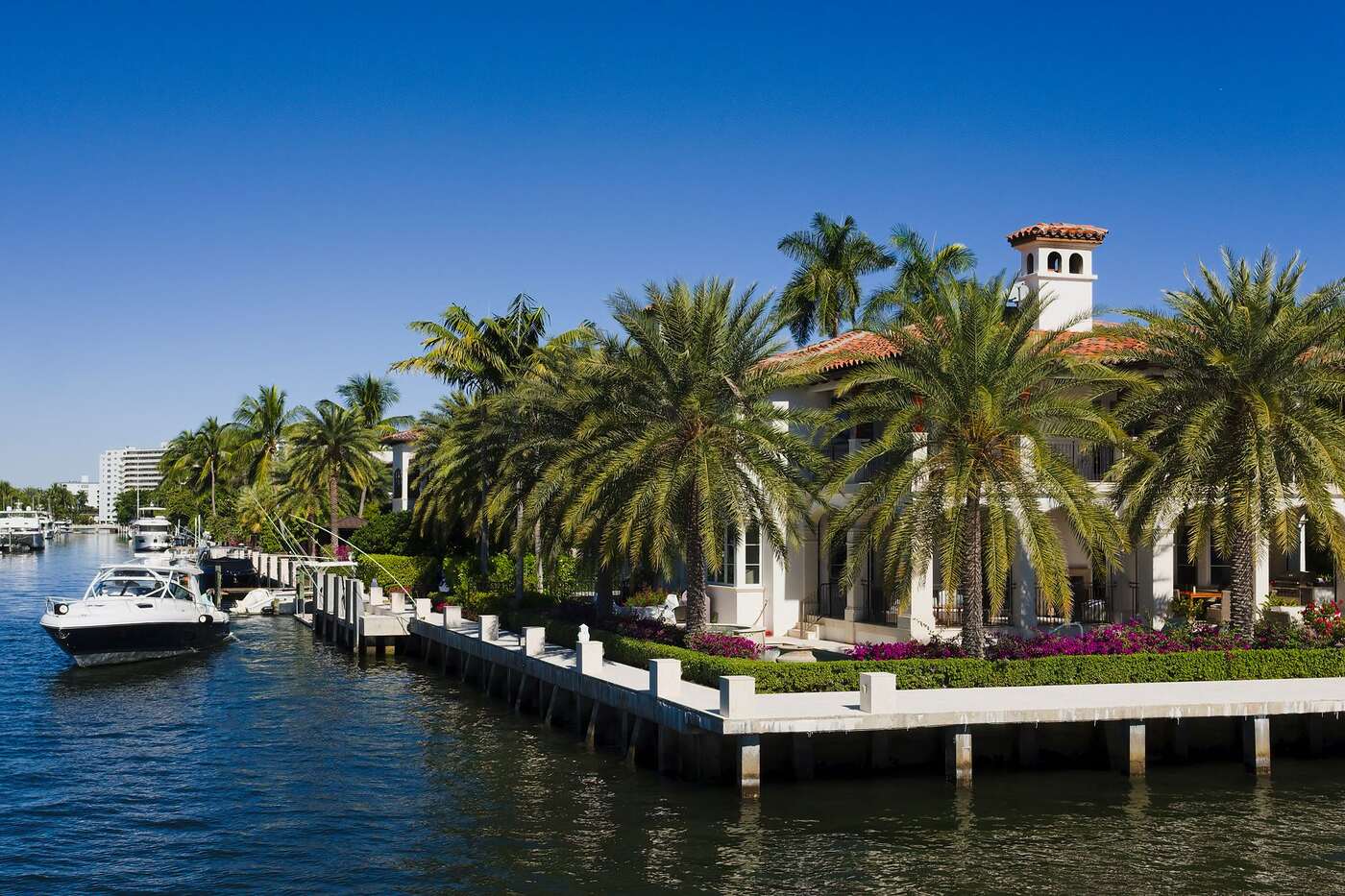
Rio Vista's rodent pressure comes from the water. The neighborhood runs from Federal Highway east to the Intracoastal, south of the New River and north of SE 12th Street, and the finger canals that thread it give a large share of its homes a sea wall, a dock and often a boat lift at the rear of the property. Fort Lauderdale as a whole counts about 165 miles of waterways, and Rio Vista was cut for boats from the start.
Two species work that edge. Roof rats run the top of the sea wall and the dock stringers the way they run a fence line, then climb a piling, a dock box, a mangrove or a hedge to reach a roof. Norway rats, the heavier ground species, burrow behind sea walls and under dock approaches and turn up at the base of the house, in the garage and around trash enclosures. Both are drawn to a boat with food aboard and to the fish scraps that collect at a cleaning station.
- Dock lines and shore power cords that run from the boat to the house
- Ficus and clusia hedges along the side yard that reach the eave
- Mangrove and sea grape cover along the canal bank
- Burrow openings in the soil behind the sea wall cap
- Dock boxes, kayak racks and covered lifts that hold nests
The inspection here walks the canal side first, because a roofline check that skips the rear of a Rio Vista lot misses where the animals start.
Tile eaves on 1940s to 1960s houses
Most Rio Vista houses date from the 1940s through the 1960s, with a smaller set of 1920s Mediterranean Revival homes from the neighborhood's first plat, and both eras carry tile roofs with open eave courses. Rio Vista was booming by 1923 by the local paper's account, stalled after the 1926 hurricane, and filled in again when servicemen who had trained in Fort Lauderdale came back after the war. The post-war ranch houses and cottages sit beside the older Mediterranean homes on the same canal blocks.
Barrel tile is the common roof on both, and the gap under the first course at the eave is the entry a roof rat uses without chewing anything. That gap is meant to be closed by a bird stop, a code-approved metal eave closure, typically 26 gauge galvanized steel or aluminum, sometimes ventilated. The Department of Energy lists installing bird stopping among the measures it recommends for tile roofs. On a 1950s Rio Vista roof the original closure has often corroded through, or was left off during a re-roof, and the result is an opening the width of a tile running the length of the eave. A blob of foam pushed into that gap lasts a night; a fitted metal closure lasts as long as the roof.
The 1920s houses add their own openings: clay barrel tile with wider voids at the hips, parapet scuppers, stucco cracks at the soffit line, and wood fascia that has separated from the deck. See rodent exclusion for how each is closed and roof rat removal for the trapping that runs at the same time.
Storm season on a canal lot
Canal-front property in Rio Vista takes storms from two directions, and rodent activity follows both. Wind lifts tile and tears soffit panels, opening the roofline. Tidal surge and heavy rain push water over the sea wall and into the yard, and rats on the ground move to the highest dry place they can reach, which on a slab-built house is the attic. Debris piles of fronds, dock boards and hedge trimmings left along the canal after a storm become harborage within days.
The Department of Energy documents storms breaking and displacing roof tiles, with one broken tile cascading into others, and the CDC ties leptospirosis case increases to hurricanes and floods, names rodents among the reservoirs, and recommends rodent control as post-flood prevention. Broward has been through Wilma and Irma, and the April 2023 rain event flooded streets across the city. After any of that a post-storm rodent inspection walks the roofline and the canal edge together, and questions before booking go through the contact page.
Where the inspection starts on a Rio Vista lot
On a Rio Vista canal lot the inspection begins at the sea wall cap and the dock, then follows the hedge line to the house before the ladder goes up. Rub marks along the top of the wall, burrow openings in the soil behind it, chewed dock lines, droppings in a dock box, and a hedge grown into the eave are all noted before the tile is checked for a missing bird stop. Inside, the attic visit matches dropping runs to those openings so the sealing and the traps line up.
Rodents in the attic
What is happening above the ceiling, explained.
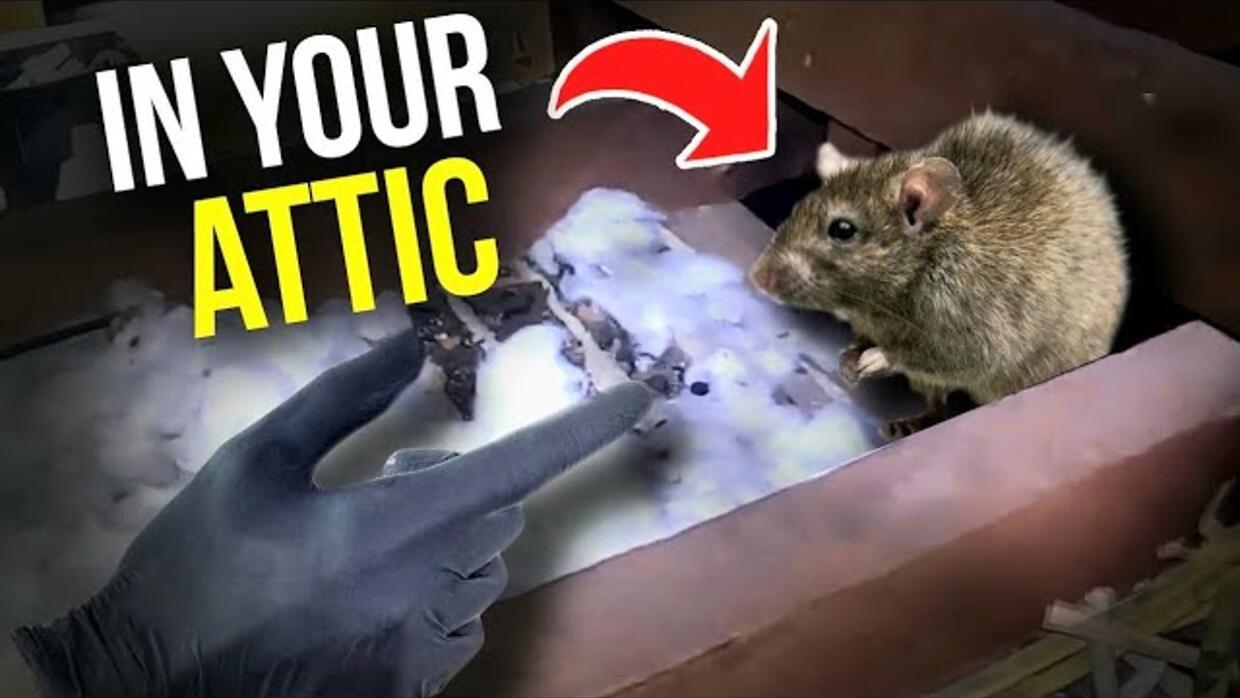
Video: Rodents in your ATTIC!? Here's what you do, from Twin Home Experts.
Why Rio Vista owners route rodent work through us
Waterfront houses need the canal side inspected, the tile eave closed with metal, and a contractor whose license can be checked.
The canal side gets inspected, then the roof gets sealed
A Rio Vista job is only as good as the walk along the sea wall, so the contractor we route covers the dock, the hedge line and the canal bank before the roofline. Openings found at the eave, the tile course, the soffit and the utility penetrations are closed with galvanized hardware cloth, sheet metal and a fitted metal bird stop, and traps run inside the sealed attic until it stays quiet. Sealing comes first because the dock line will deliver the next animal the week after the traps are pulled.
DOE: bird stopping is a recommended measure on tile roofs
Free inspection, itemized quote, national bands for reference
The inspection is free and the quote lists exclusion, trapping, cleanup and follow-up visits on separate lines. For context, published national bands run $500 to $2,500 for full-home exclusion and $250 to $1,200 for trapping and removal, confirmed at the inspection. A tile eave that has to be closed along its whole length lands toward the upper end of the sealing band, while the absence of a crawl space or basement on a slab house pulls the total under what the national guides assume.
HomeGuide 2026: full-home exclusion $500 to $2,500 nationally
The FDACS credential is a matter of record
Florida requires at minimum an FDACS Limited Commercial Wildlife Management certificate to trap rats in, on or under a structure for hire, and a pest control business license with a certified operator in General Household Pest and Rodent Control to apply rodenticide. Every contractor we route holds the credential the job needs, and the license number is yours to check in the FDACS lookup before the visit. FWC issues no license for rat and mouse trapping, so an FWC registration alone is the wrong answer.
FDACS Limited Commercial Wildlife Management certificate, checkable in the state lookup
A typical Rio Vista job: the canal house with the boat lift
The situation: The owners of a 1950s ranch house on a finger canal keep a center console on a covered lift behind the sea wall. In late summer, after a week of afternoon storms, they start hearing movement in the ceiling over the family room after dark and find droppings in the dock box and chewed foam on a life jacket. One of them has started sleeping with the television on to cover the noise. A friend tells them every canal house has rats and to stop worrying.
What gets done: The inspection starts at the water. Whoever attends finds a rub line along the sea wall cap, a clusia hedge grown into the rear eave, and a run of barrel tile at that eave with no bird stop at all, the closure long since rusted away. In the attic, droppings a quarter to half inch long with pointed ends run from that corner toward the air handler. A ventilated metal eave closure goes in along the full rear eave, the hedge is cut back from the roof, the shore power cord is rerouted off the fascia, and snap traps stay on the run for at least a week.
How it turns out: Four adults come out of the attic over the first ten days and then the traps sit empty. The return visit finds no fresh droppings, the owners get a written list of what was sealed, and the dock box gets a latch. The television goes back off at night.
Rio Vista rodent questions
Questions from owners of canal-front and near-water houses south of the river.
Boats and docks
Are the rats coming from my boat or from the canal?
Usually from the canal edge, with the boat as a stop on the way. Roof rats travel the top of a sea wall and the dock stringers, and a covered boat with any food aboard is worth a nightly visit. Norway rats burrow behind sea walls and stay at ground level. Neither species lives in the water. The fix is the same as for any house here: close the roofline and the ground-level openings, trap what is inside, and remove the reasons to stop on the dock, which means food off the boat, a latched dock box and a shore cord that does not run straight to the fascia.
Can rats get into a house through the dock line or shore power cord?
They use the cord as a bridge to the house, and then they need an opening. A shore power cord or a dock line tied off at the fascia gives a roof rat a straight path to the eave, and UF/IFAS describes the species as an arboreal animal that travels along wires and branches. Once at the eave it needs a gap of half an inch, and an open tile course with no bird stop gives it far more than that. Re-routing the cord to a post is easy; sealing the eave is what matters.
Roofs and results
My roof was replaced ten years ago. Can rats still get in under the tile?
Yes, if the bird stop was left off or has corroded, and re-roofs skip it more often than homeowners expect. The eave closure is a separate metal component fitted under the first course, and a roofing crew working fast can omit it or use a plastic version that a rat chews through. The inspection checks the eave from a ladder, tile by tile, and a missing closure shows up as a dark void under the first row. Fitting a metal closure the full length of the eave is standard exclusion work and does not disturb the roof.
How long does it take once the sealing is done?
A few days for a small number of animals and up to a month or two for a heavy, long-standing infestation. HomeGuide puts trapping a handful of rodents at two to three days and a severe case at one to two months. Two things stretch the timeline in Rio Vista: a dock line that keeps delivering new animals to an unsealed roof, and traps pulled too early. UF/IFAS advises leaving traps at least a week, since roof rats avoid new objects. Sealing first, then trapping, is what keeps the job at the short end.
Still have a question? Call (954) 790-6402 and ask.
Book a free inspection in Rio Vista
Call (954) 790-6402 or send the form. Someone picks up day and night, and the inspection is free.