Rodent Exclusion in Fort Lauderdale, FL
Sealing is the part of a rat job that ends it. On a Broward tile roof that means a fitted bird stop along the eave and every vent and gap closed to a quarter inch.
What rodent exclusion means on a Broward house
Rodent exclusion is the physical closing of every opening a quarter inch or larger between the outside of the house and the attic, wall voids and living space, using materials a rat cannot chew through. On a Fort Lauderdale house that work starts at the tile eave and finishes at the rear of the lot, where the sea wall and dock line deliver the animals.
The job is separate from trapping and separate from cleanup, and it belongs on its own line of the quote. Trapping removes the animals that are inside today. Exclusion decides whether there are any inside next month. The contractor we route closes the roofline before or alongside the traps, then hands over a written list of every closure, its location and its material.
- A ladder walk of the full eave, every soffit run, every vent and every roof penetration, plus the exterior walls at grade
- Fitted metal bird stops along open tile eave courses, end to end
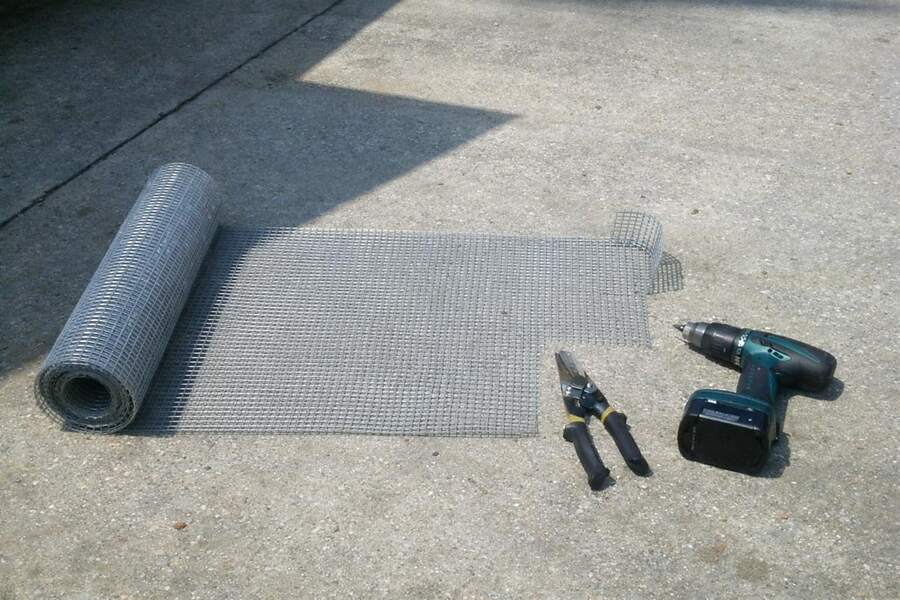
- Quarter-inch galvanized hardware cloth at soffit returns, gable vents, off-ridge vents and torn soffit screens
- Screening under ridge caps and sheet metal at fascia-to-deck gaps
- Sealed AC line-set penetrations, new plumbing vent boots, closed cable and electrical mast entries
- Flagging of palm fronds and tree limbs within six feet of the roofline, and of harborage along the sea wall and dock on a canal lot
The noise that has kept a household awake for weeks stops when the last opening is closed and the last animal is trapped. The sealing is the half of that sentence people are least often told about, and it is the half that stays fixed.
Work out roughly what this costs in Fort Lauderdale
Six questions against the national cost bands printed further down the page. The range is wide on purpose, because the roofline and the rear of a canal lot are the two biggest variables and neither can be priced from a form.
Bands come from HomeGuide 2026 national guides. Every figure is confirmed at the free inspection, and the quote arrives with trapping, sealing and cleanup on separate lines.
The bird stop: closing the tile eave end to end
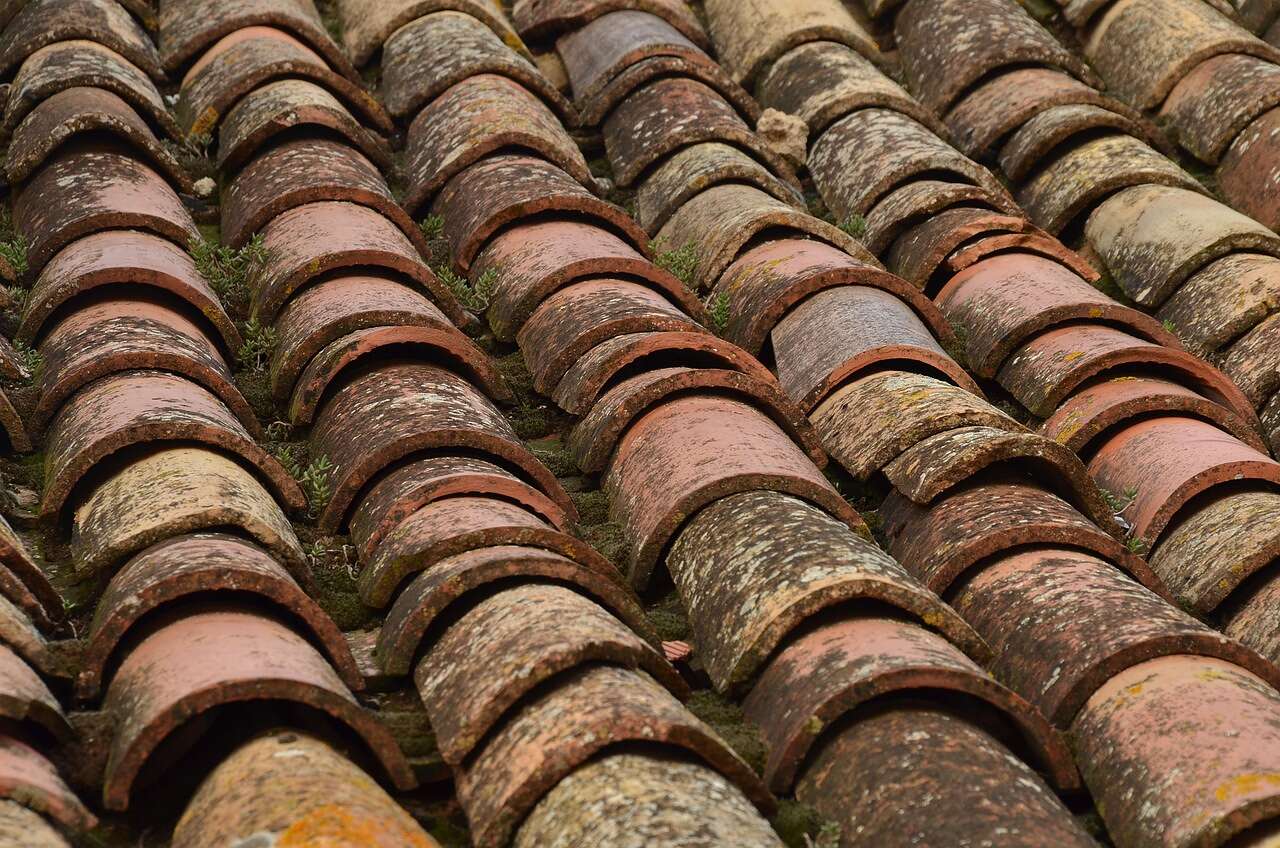
The single most important closure on a Fort Lauderdale tile roof is the bird stop, also called the eave closure, a code-approved metal strip that fills the open course under the first row of barrel tile. It is typically 26 gauge galvanized steel or aluminum, sometimes ventilated with weep holes so the roof can still drain and breathe, and the Department of Energy names bird stopping among its recommended measures for clay and concrete tile roofs.
The reason it matters is the shape of the tile. A barrel tile sits on the deck as an arch, and under each arch at the eave there is a void as tall as the tile profile. With a bird stop fitted, that void is closed. With the bird stop missing, corroded through by salt air, or knocked out of place by a storm or a roofer, the void runs the whole length of the eave, and a roof rat can walk into the attic anywhere along it without chewing a thing.
The comparison that decides most quotes is a fitted metal closure against a bead of expanding foam. Foam is what a cheap exclusion line usually means. It is chewed out in a night, it traps moisture against the deck, and it has no place in a coastal tile roof. A manufactured bird stop is cut to the tile profile, fastened to the deck or the fascia, and lasts as long as the fascia does. Ask whoever attends which one is on the quote. The roof rat removal page explains why the eave is the first place the animal tries.
The Fort Lauderdale exclusion checklist, roof to sea wall
A complete exclusion on a Broward lot covers eight places in order: the tile eave, the soffits, the ridge, the fascia, the roof penetrations, the walls at grade, the trees, and on a canal property the rear edge along the sea wall and dock. Each one has its own material and its own way of failing.
Soffit rescreen
Original soffit screens on houses from the 1920s through the 1960s tear, rust and pull away from the frame, and aluminum soffit panels get pushed up from below. The fix is quarter-inch galvanized hardware cloth fastened behind the vent, or full panel replacement where the frame has gone.
Ridge vent screening
Ridge caps on a tile roof sit over an open slot that vents the attic, and many were laid with plastic mesh or nothing under them. Metal screening under the caps keeps the vent working and closes the slot to rodents.
Fascia gaps
Sun and salt air shrink the fascia board away from the roof deck over decades, opening a slot along the top edge. Sheet metal flashing or a ripped wood filler closes it for the full run, and painting it after keeps the wood from opening again.
Vent boots and line-set penetrations
Plumbing vent boots crack in the sun, and the hole cut for the AC line set is nearly always oversized and stuffed with foam. New boots, a metal escutcheon plate and a sealant rated for exterior use close both.
Tree-limb clearance to six feet
Fronds and limbs within about six feet of the roofline are the bridge onto the tile. Royal, queen, sabal, Washington, date and coconut palms, and mango, avocado, citrus, guava, sapodilla and starfruit trees all get flagged for trimming as part of the exclusion, because a closed roof with a ladder against it is still being tested every night.
Dock line and sea wall
On a canal lot the animals travel the sea wall cap, the dock line and lift cables and shelter in the hedge along the wall or under the dock apron. The inspection notes coiled rope, stored fenders, fallen fruit along the wall and Norway rat burrows behind it, and the written findings tell you what to clear. The neighborhood page for Rio Vista shows how this plays out on a mixed-era canal street.
Signs the house needs sealing and how to find them
A house needs exclusion when the traps keep filling, when the noise returns a few weeks after it stopped, or when daylight shows through the eave from inside the attic. Repeat activity is the clearest sign that the doorway was left open.
- Trapping that catches animals for weeks with no drop-off in the count
- Activity that stops after a treatment and returns within a month or two
- Greasy rub marks around the eave, a soffit corner or a vent frame, where a coat has passed many times
- Chewed soffit edges, torn screen, or bird stops visibly missing or rusted along the eave
- Daylight visible from inside the attic at the eave, the ridge or a gable
- Droppings on the sea wall cap, the dock or the boat lift beams, showing the route in use
- Fronds or limbs resting on the tile, with worn bark or frond stems along the route
The inspection that finds these is free, and it produces a map of openings instead of a guess. Book it through the rodent inspection page or call. Someone picks up the line day and night.
Steel mesh and metal closures against foam and steel wool
Galvanized hardware cloth, sheet metal and manufactured bird stops hold against a roof rat, and expanding foam, steel wool on its own, caulk and plastic mesh do not hold. The material choice is what separates a sealing job that lasts from one that gets redone next season.
| Material | Where it belongs | How it performs |
|---|---|---|
| Fitted metal bird stop | Open tile eave courses, full length | Closes the void to the tile profile; rated component; lasts with the fascia |
| Quarter-inch galvanized hardware cloth | Soffit returns, gable and off-ridge vents, torn soffit screens, ridge slots | Rat and mouse proof at the UF/IFAS quarter-inch standard; vents keep breathing |
| Sheet metal flashing | Fascia gaps, chewed corners, line-set plates | Cannot be chewed; bends to odd gaps; needs fastening and sealing |
| Copper or stainless mesh packed and sealed over | Small irregular penetrations | Holds when covered with sealant or metal; steel wool alone rusts and pulls out |
| Expanding foam | Nowhere as a rodent barrier | Chewed through overnight; traps moisture in a tile eave |
| Plastic vent mesh | Nowhere on a rodent job | Chewed or UV-cracked within a season |
The quarter inch is the standard because of what fits through it. UF/IFAS puts a mouse through a quarter-inch opening and a rat through a half-inch one, and sets a quarter inch as the rat-proofing figure so the smaller animal governs the mesh size. Bait has no role in exclusion at all: the EPA restricts second-generation anticoagulants to tamper-resistant stations in residential settings, and a poisoned rat behind a freshly sealed eave dies in the attic. Sealing plus trapping is the sequence, and the removal page lays out the trapping half.
Is it safe to trap first and leave the chew-ins for later?
Repair them now, in the same program as the trapping, because every chew-in is a marked route with the animal's scent on it and the next rat off the sea wall or the palm will find it within weeks. Trapping alone on an open roofline is the pattern behind nearly every multi-month story in homeowner forums.
The order within the program matters too. The contractor we route closes everything except the main active opening, sets traps on the runs inside, and closes the last opening with a one-way door or once the traps go quiet, so nothing is sealed in and nothing new gets in. Roof rats are wary of new objects, per UF/IFAS, so the traps stay in place for at least a week before anyone judges them, and the closures stay in place for good.
Putting off the sealing also delays the one part of the job a warranty can attach to. Ask whoever attends what terms cover the closures, whether the term is a single period or renews, and what a return visit costs if activity comes back. The about page lists what the routed contractors are expected to state in writing.
What keeps rats away permanently?
A closed building keeps rats out permanently, and nothing sold in a bottle, a plug-in device or a bait station does the same job. Permanent means every opening a quarter inch or larger closed with metal, the trees cut back six feet from the roof, and the food and harborage at the rear of the lot managed.
Three habits keep a sealed Fort Lauderdale house sealed. Walk the eave from the ground twice a year and after any storm, looking for a displaced tile or a bird stop that has dropped. Keep fronds and limbs trimmed to six feet from the roofline, and pick up fallen mango, avocado, citrus and starfruit. On a canal lot, stow rope and fenders, keep the hedge along the sea wall off the ground, and glance at the dock beams and the wall cap for droppings.
None of this changes what the neighbors do. UF/IFAS gives the roof rat a range of around 150 yards from its den, so the food supply can be three lots away while your roof is the nest site. That is why the closures, and only the closures, are the part you fully control.
What rodent exclusion costs in Fort Lauderdale
Full-home exclusion runs $500 to $2,500 in HomeGuide's 2026 national data, and a Fort Lauderdale tile roof tends to land toward the upper part of that band because the whole eave has to be closed, tile by tile, from one end to the other. These are national typical-job bands; the free inspection produces the itemized local number.
| Line item | National band (HomeGuide 2026) |
|---|---|
| Full-home exclusion | $500 to $2,500 |
| Trapping and removal (usually paired) | $250 to $1,200 |
| Standalone inspection | $0 to $175 (free here) |
| Attic cleanup and decontamination | $600 to $2,500 |
| Dead rodent removal | $150 to $500 |
What moves an exclusion quote inside the band is mostly linear feet and count. The length of tile eave that needs a bird stop is the biggest single driver. The number of vents, soffit returns and penetrations found open comes next, then the state of the fascia, since a board that has shrunk away from the deck along an entire run is a longer job than one gap. Two-story houses and steep tile add ladder and lift time. In the other direction, the national guides price crawl-space and basement work that a slab-on-grade Broward house does not have, so a local quote for a shingle roof can come in under the national spread for the same scope. Ask that the exclusion be its own line, and ask what the warranty terms on it are before you compare bids.
Housing eras, storm season and the FDACS credential
Fort Lauderdale exclusion work is shaped by three local facts: the age of the single-family belt east of US-1, the storm season that runs June through November, and the state credential the contractor has to hold. Each changes what a good quote looks like.
Where the original fascia and screens are
Victoria Park was platted in the 1920s and holds a large share of the city's historic houses. Poinsettia Heights carries 1920s stock, Rio Vista mixes 1940s to 1960s homes with 1920s Mediterranean Revival, Coral Ridge is mid-century, and the Lauderdale Isles and Las Olas Isles are canal-front. Across all of them the fascia, soffit screens and often the tile are original, so an exclusion on these streets is longer and more thorough than on a newer block-and-stucco house farther west. The neighborhood pages for Victoria Park and Coral Ridge go into the specific roof types.
After a hurricane or a flood
Wilma in 2005 and Irma in 2017 both crossed Broward, and the April 2023 flood put record rainfall on Fort Lauderdale in a single day. Storm damage undoes exclusion by mechanism: wind lifts tiles and tears soffits, one broken tile cascades into the next as the Department of Energy documents, debris piles become harborage, and floodwater drives rats to high ground and attics. The CDC connects leptospirosis case increases to hurricanes and floods, names rodents among the reservoirs, and advises rodent control as post-flood prevention. A post-storm rodent inspection re-checks every closure after the weather passes.
The credential and what to check
Exclusion by itself is construction work, but it is almost always sold with trapping, and trapping rats or mice in, on or under a structure for hire in Florida requires at minimum an FDACS Limited Commercial Wildlife Management certificate. Any rodenticide on the job calls for an FDACS pest control business license with a certified operator in General Household Pest and Rodent Control. FWC does not license rat and mouse trappers. Every contractor we route holds the FDACS credential the job needs, and the license number can be checked with FDACS before work starts.
- Confirm the FDACS license number in the state lookup.
- Get exclusion, trapping, cleanup and any monitoring plan as separate lines.
- Ask for the closure list: each opening, its location, and the material used.
- Ask whether the eave gets a fitted bird stop, and get the answer in writing.
- Ask what warranty terms cover the closures and how many return visits are included.
Send those questions through the contact page ahead of the visit if you want them answered first.
The services that usually run alongside this one
A Broward rodent job is a sequence of separate lines, and these are the pages that cover the steps on either side of this one.
- Roof Rat Removal: Trapping out the roof rat that runs the sea walls and rooflines of Broward, sequenced with sealing.
- Rodent Inspection: A free walk of the roofline, attic, exterior and dock line that sets the order of the job.
- Post-Storm Rodent Inspection: A roofline and harborage check after a hurricane or a flood, before the winter attic noise starts.
How the pieces fit together, and which license to look up, is covered on the about page. The contact page has the hours and the office address.
Where steel wool works and where it fails
A short guide to filling the small gaps.
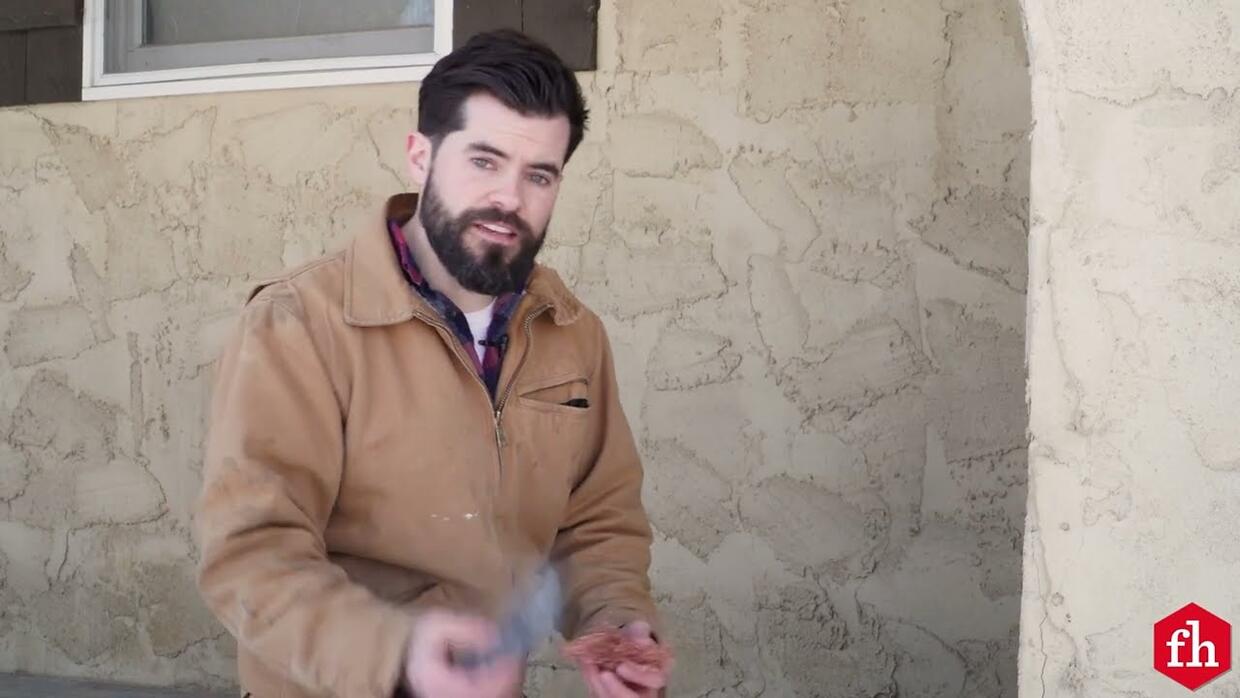
Video: How to Use Steel Wool for Pest Control, from Family Handyman.
How an exclusion job runs in Fort Lauderdale
The closures are the job; trapping and verification confirm they held.
-
Free inspection and map
Whoever attends walks the eave, soffits, ridge, penetrations and walls, and the sea wall and dock on a canal lot, then writes up every opening found.
-
Bird stops fitted
Open tile eave courses get manufactured metal bird stops for their full length, cut to the tile profile and fastened, in place of any foam found there.
-
Vents, fascia and penetrations closed
Soffit returns and vents get quarter-inch galvanized hardware cloth, fascia gaps get sheet metal, line sets and vent boots get plates and new boots.
-
Traps set, last opening closed
Snap traps go on the active runs inside, and the main entry is closed last with a one-way door or once the traps stay empty.
-
Verification and closure list
A return visit checks for new droppings and gnawing, and you receive the written list of closures, locations and materials for your records.
Why Fort Lauderdale homeowners route exclusion through us
Each of these holds on every routed job, and each has a source or a credential you can check.
A rated closure on the eave
The contractor we route fits a manufactured metal bird stop along every open tile course, cut to the profile and fastened, and measures every other opening against the quarter-inch figure UF/IFAS sets as the rat-proofing standard. Foam is removed where it is found. The eave is where a Fort Lauderdale roof rat enters, so the eave is where the job is won or lost, and a code-approved component is what goes there.
Department of Energy: installing bird stopping is a recommended clay and concrete tile roof measure
Every closure written down
At the end of the job you receive a list of each opening that was closed, where it was and what material went in, alongside a quote that keeps exclusion, trapping and cleanup on separate lines. Homeowners in forums say a bundled number is impossible to compare, and that sticker shock on sealing almost always comes from work they never had explained. The list answers both.
HomeGuide 2026: full-home exclusion $500 to $2,500 nationally, confirmed at the free inspection
Licensed for the trapping that goes with it
Exclusion is nearly always paired with trapping, and trapping rats or mice inside a Florida structure for hire requires an FDACS Limited Commercial Wildlife Management certificate at minimum. Every contractor we route carries the credential the job needs, with a full pest control business license and certified operator where any bait is involved, and the number is checkable through FDACS before anyone climbs to the eave.
FDACS Limited Commercial Wildlife Management certificate, verifiable in the state license lookup
Turn the estimate into a quote
Send the address and what you are hearing. The inspection that prices the job is free, and the quote arrives with trapping, sealing and cleanup on separate lines. The phone is picked up day and night.
What Reddit Says About Rodent Exclusion in Fort Lauderdale
Sealing work is where homeowners on r/pestcontrol and r/HomeImprovement feel most out of their depth, and their first move is to get several bids for the same list of openings so the numbers mean something. They ask whether the company does the repair work itself or only sets traps, and they lean toward local operators over national brands. A quote that separates exclusion from trapping and cleanup is treated as the mark of a serious outfit.
The red flags they repeat are specific to sealing. Foam or steel wool alone in a gap. A company that traps for months with no sealing on the invoice, which one commenter calls harvesting rodents. The reverse mistake, sealing with animals still inside, gets its own warnings. So does a monitoring contract folded into the sealing price, and pricing that swings from under two thousand dollars to tens of thousands for what sounds like the same house, which leaves people asking whether they are being taken advantage of.
The questions they tell each other to put to a contractor are about the closures. What exactly is being sealed and with what? Is the exclusion warrantied, and does the warranty renew or run out? Will you clean and decontaminate or only seal and trap? How many follow-up visits come with it? What happens if the animals return? The Florida threads add the local material: barrel-tile eaves and soffit gaps as the entry points, palm fronds and limbs as the highway, sheet-metal collars on palm trunks, and a 1920s house solved with perimeter screening.
The sleep loss and the sense that the house has been broken into run through these threads, along with the frustration of being told by friends that it is nothing. Sealing is the answer people wish they had been given first.
Every contractor we route is expected to put the closure list and the warranty terms in writing on the first visit.
A typical exclusion call in Rio Vista
The situation: The owners of a 1950s tile-roofed house on a canal street have had a pest company setting bait in the attic every month since spring. The noise over the kitchen stops for a few weeks after each visit and comes back. An avocado tree at the rear drops fruit onto the sea wall cap, a queen palm leans over the side eave, and the bird stops along the rear eave have rusted to lace. Nobody in the house has slept through a night in a month.
What gets done: Whoever attends walks the eave from a ladder and finds open tile courses for most of the rear run, a fascia board pulled a finger-width off the deck along the side, a cracked plumbing vent boot, and rub marks up a dock piling. The bait is pulled. Fitted metal bird stops go in along both open runs, the fascia gap gets sheet metal, the boot is replaced, the soffit returns get quarter-inch galvanized hardware cloth, and the palm is flagged for trimming back six feet. Snap traps go on the runs inside and the last opening is closed once they stay empty. The quote shows exclusion, trapping and one return visit as separate lines.
How it turns out: The traps take a few adults in the first week and nothing after. The return visit finds no fresh droppings, the owners get a written closure list with every location and material, and the monthly bait visits end. The fruit still drops onto the sea wall; the roof is closed to whatever comes for it.
Exclusion questions from Fort Lauderdale homeowners
The sealing questions that come up most, answered plainly.
About the closures
Is it safe to do exclusion before trapping?
Yes, as long as the animals inside are trapped in the same program and the last active opening is closed with a one-way door or after the traps go quiet. The mistake is sealing every opening with nothing set inside, which locks the rats in the attic and sends them chewing into the living space through drywall or wiring. The contractor we route closes the roofline and sets traps on the same visit, then verifies. Done that way, sealing first is the professional sequence and the reason a job ends instead of repeating.
Can I do the sealing myself?
Some of it. Trimming fronds and limbs six feet off the roof, picking up fruit, stowing rope on the dock and stapling quarter-inch hardware cloth behind a gable vent are within reach of a careful homeowner. Fitting bird stops along a tile eave from a ladder, screening under ridge caps and flashing a fascia gap are ladder work on a steep, brittle surface, and a cracked tile costs more than the closure. Whatever you do yourself, the free inspection can confirm whether it holds.
Will the closures block my attic ventilation?
They should not, and a proper exclusion keeps the attic breathing. Quarter-inch hardware cloth over a soffit or gable vent lets air through and stops a rat. Ventilated bird stops carry weep holes so the tile eave still drains and vents. Screening under the ridge caps keeps the ridge vent working. What blocks ventilation is foam packed into an eave course, which is one more reason it has no place there. A vented, hot Broward attic needs its airflow, and the materials on a well-run job are chosen with that in mind.
Cost and follow-up
Why is the exclusion quote higher than the trapping quote?
Because it is the longer job and the one that ends the problem. Trapping is a few hours of setting and several short checks. Exclusion on a Fort Lauderdale tile roof means closing every open eave course for the length of the house, screening every vent, flashing the fascia and sealing each penetration, from a ladder. National data puts full-home exclusion at $500 to $2,500 against $250 to $1,200 for trapping, and a tile eave sits toward the top of its band. Ask for both as separate lines and compare the closure list between bids.
What should I ask about the exclusion warranty?
Ask what the warranty covers, how long the term is, whether it renews or ends, what a return visit costs inside and outside the term, and whether storm damage or new tree growth voids it. Ask for the closure list at the same time, since a warranty on unnamed work is hard to enforce. Terms vary by contractor, so get them in writing before the ladder goes up, and keep the list with the house papers for the next owner.
Still have a question? Call (954) 790-6402 and ask.

Book a free exclusion inspection in Fort Lauderdale
Call (954) 790-6402 or send the form. The line is picked up day and night, and the eave-to-sea-wall inspection is free.