Post-Storm Rodent Inspection in Fort Lauderdale, FL
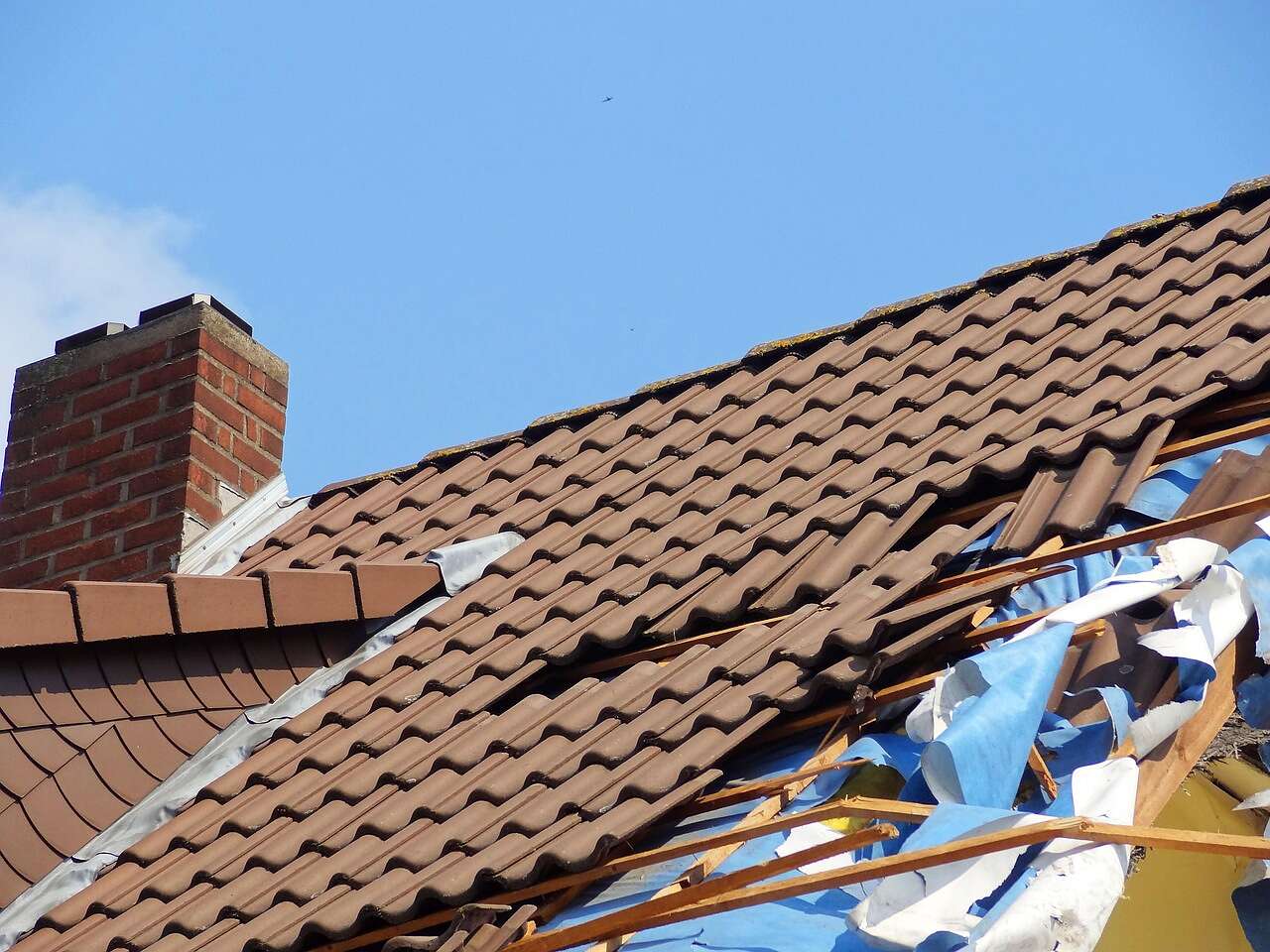
Wind lifts tile, tears soffits and piles debris against the house; floodwater pushes rats to high ground. A free roofline and attic check after a Broward storm finds the openings before the animals do.
What a post-storm rodent inspection covers
A post-storm rodent inspection is a free walk of the roofline, the soffits, the attic and the grounds after a hurricane, a tropical storm or a flood, looking for the openings the weather made and the animals that have already used them. It ends with a written list of what is open, what has been entered, and what it will take to close it, quoted in separate lines.
Storm damage and rodent entry are checked together because one causes the other. A displaced tile at the eave, a soffit panel blown out of its channel, a gable vent screen torn by debris and a fascia board pulled loose are each a doorway sized for a roof rat, and the animal finds it the first dry night. The inspection is worth booking as soon as the property is safe to walk, before the roofer arrives, so the sealing goes on the same list as the repair.
- Roofline from a ladder: lifted, cracked or missing tiles, the bird stop along the eave, ridge and hip caps, flashing
- Soffits and fascia: panels pushed up or blown out, screens torn, fascia pulled from the rafter tails
- Vents and penetrations: gable and off-ridge vents, plumbing boots, the AC line set, the electrical mast, anything a limb hit
- Attic: wet insulation, fresh droppings, rub marks, nesting, gnawed wiring and duct, daylight showing through the deck
- Grounds: debris piles, downed fronds and limbs against the house, fruit on the ground, dock and sea wall damage on canal-front lots
- Flood line inside the garage and ground floor, and any sign of animals that came up with the water
People who have just come through a storm are worn down before the scratching starts, and being told the noise is the house settling after the wind does not help anyone sleep. The inspection gives a plain answer. Read the about page for how jobs are routed and what the contractors write down.
How a Broward storm opens a house to rats
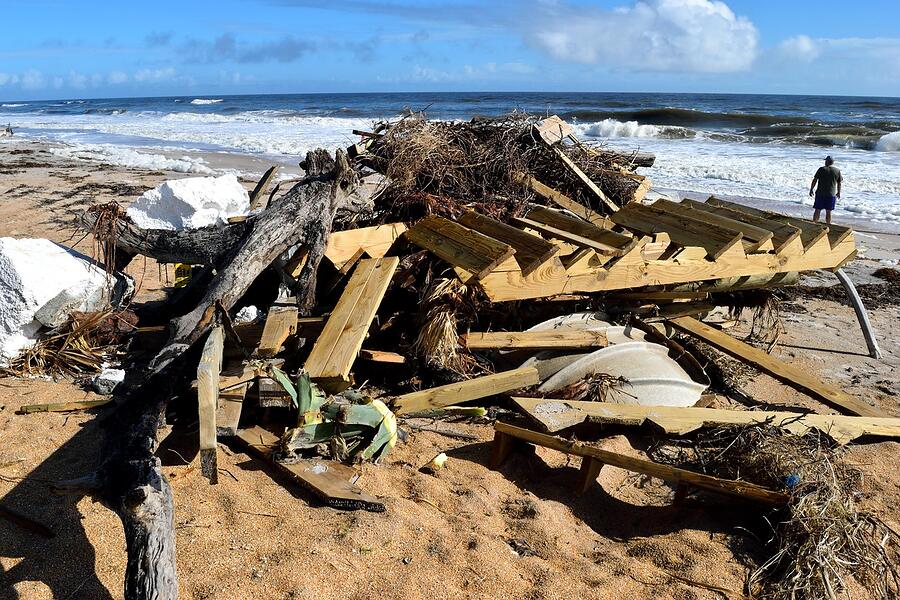
A storm opens a house to rats by three mechanisms: wind lifts tile and tears soffits, debris piles become harborage against the walls, and floodwater drives rats out of burrows and up to high ground, which in Fort Lauderdale means the attic. None of this needs a statistic; it is how the roof, the yard and the animal behave.
Wind and the tile roof
The Department of Energy documents storms breaking and displacing roof tiles, and notes that one broken tile can cascade into the tiles around it. On a barrel tile roof the eave course sits over an open void that the bird stop closes; wind that lifts the first course or a limb that cracks it leaves that void open, and the same gust that lifts tile pushes aluminum soffit panels out of their channels and tears the screens behind them. The result is a run of openings well above the UF/IFAS quarter-inch rat-proofing standard along the whole eave.
Debris as harborage
Downed fronds, limbs, fence sections and the neighborhood's curbside piles sit for weeks after a storm. A pile against the house is cover, nest material and a ramp to the roofline in one place. Fallen mango, avocado and citrus under it is food.
Floodwater and high ground
Norway rats burrow behind sea walls and under slabs and pads; floodwater fills the burrow and the animal leaves. Roof rats already living in hedges and palms move up. A house with an attic that stays dry and a roof that is now open is the high ground. The CDC ties increases in leptospirosis cases to hurricanes and floods, names rodents among the reservoirs of the bacteria, and recommends rodent control as part of post-flood prevention, which is the public health reason to check the house after the water goes down.
Signs of rodents after a storm
Daylight through the attic deck, new scratching overhead within a week or two of the storm, and droppings on insulation that was clean before are the three findings that turn a storm repair into a rodent job. Any one of them justifies the free inspection.
- Running or scratching over the ceiling after dark, starting days after the storm
- Droppings on top of the insulation, on the garage floor under the hatch or on the top plate; roof rat droppings run a quarter to half inch with pointed ends according to UF/IFAS
- A lifted or missing tile at the eave that was not there before, or a soffit panel hanging loose
- A gable vent screen torn by debris, or a plumbing boot split by a limb
- Wet or matted insulation, which the Department of Energy notes performs poorly and which rats tunnel through readily
- Gnawing on the AC line set insulation or the low-voltage wiring where a limb hit the roof
- Animals seen on a debris pile, a fence line or the dock at dusk
- A musky odor at the attic hatch, or a dead-animal odor from a wall after floodwater has gone
Timing matters after a storm. UF/IFAS notes that roof rats reach sexual maturity at three to four months, carry a litter for 21 to 23 days and produce four or five litters a year in Florida, so an animal that moved into an open attic in September has company by the November cool snaps when attic noise becomes audible. The inspection should happen before that.
Sealing the storm openings before trapping
Exclusion comes first after a storm, because the roof is open in more places than usual and trapping while the eave stays open only removes the animals that arrived first. The sequence is close the openings with metal, trap whatever is inside, then verify.
Material choice matters more after a storm because the roofer's temporary fix is often the problem. A tarp, a bead of sealant or a squirt of expanding foam holds water out for a while and holds a rat out for a night. The permanent closures are a code-approved metal bird stop along the tile eave, typically 26 gauge galvanized or aluminum, quarter-inch galvanized hardware cloth behind vents and soffit screens, and sheet metal at soffit returns and fascia gaps. Where tile has to be replaced, the bird stop goes in with the new course.
| Option after a storm | What it does | Where it fails |
|---|---|---|
| Tarp and wait for the roofer | Keeps rain out for now | Rats go under the tarp; the eave and soffits stay open for weeks |
| Foam and sealant in the gaps | Fills the visible holes | Chewed out within days; leaves the bird stop void untouched |
| Bait stations around the debris | Kills some animals over days to weeks | Nothing sealed; poisoned rats die in the attic or a wall |
| Trapping only | Removes the animals inside | The open roofline refills from the debris piles |
| Metal exclusion, then trapping, then verification | Closes the storm openings and removes what is inside | Needs coordination with the roof repair |
Rodenticide after a flood has an extra cost. The EPA describes most rodenticides as anticoagulants that kill four days to two weeks after feeding begins, and UF/IFAS notes that trapping avoids the risk of a poisoned rat dying inside the building, which after a storm usually means inside wet insulation that already needs replacing. Second-generation anticoagulants are restricted by the EPA to tamper-resistant stations in residential settings, and applying them for hire requires an FDACS pest control business license. The exclusion page covers the materials in depth.
Should I wait for the roofer before calling about rats?
Book the rodent inspection first, because the roofer's queue after a Broward storm runs weeks or months and the rats move in during the wait. The inspection produces a list of the openings that matter for animals, which the roofer can fold into the repair, and the contractor we route can close the eave and the soffits with metal ahead of the tile work.
The two trades overlap at the eave. A roofer replacing a course of tile can set a new bird stop at the same time, and a rodent contractor closing the eave can do it under existing tile. What matters is that someone does it with metal and writes it down. Bringing the inspection report to the roofer avoids the common outcome after Wilma and Irma, where the roof got repaired and the soffits and the eave void stayed open because nobody had put them on the list. Insurance adjusters also prefer a dated rodent finding that predates the repair, which the clearance letter provides.
Is it safe to clean up a flooded or rat-contaminated attic myself?
Cleanup of wet, rodent-contaminated insulation is a job for someone in a respirator and gloves with the material bagged in place, so for most homeowners the right move is to have it quoted as its own line. The reason is general contamination from droppings, urine and mold in wet material, and it applies whatever the species.
The hantavirus question comes up after every storm and deserves a plain answer. Florida's identified hantavirus reservoir is the native cotton rat, an outdoor field species, and most US cases occur in the western states, so a Fort Lauderdale attic with roof rats is a low hantavirus risk. The respirator is still correct. According to the CDC, rodents spread a range of diseases directly, through urine, droppings, saliva and bites, and indirectly through the fleas, ticks and mites they carry, and after a flood the agency specifically connects leptospirosis to rodents and standing water. Wet insulation also performs poorly according to the Department of Energy and usually comes out anyway. See attic cleanup for how that work is quoted.
What post-storm rodent work costs in Fort Lauderdale
The post-storm inspection is free, and the work it finds is quoted in the same separate lines as any other rodent job: exclusion, trapping, dead animal removal, cleanup and insulation. The bands below are national typical-job figures from HomeGuide, confirmed at the inspection; there is no Fort Lauderdale cost survey and no separate storm rate.
| Line item | National band (HomeGuide 2026) | What a storm does to it |
|---|---|---|
| Inspection | $0 to $175 (free here) | Nothing; it is free |
| Exclusion sealing | $500 to $2,500 | More openings than usual; a full tile eave pushes toward the top of the band |
| Trapping and removal | $250 to $1,200 | Depends on how long the roof was open before the call |
| Dead rodent removal | $150 to $500 | Flood casualties in walls and garages |
| Attic cleanup and decontamination | $600 to $2,500 | Wet, contaminated insulation is the usual finding |
| Insulation removal and replacement | $2.50 to $5.50 per sq ft | Often needed after water entry regardless of rodents |
Slab-on-grade Broward houses have no crawl space or basement, so the national guides price work that a Fort Lauderdale quote will never include, and a local number for the same scope can land under the spread. Ask whoever attends to separate the rodent lines from anything the roofer or the insurance repair will cover, so the two scopes can be filed apart. Ask about warranty terms on the sealing as well; a storm season is the test of any exclusion job.
Fort Lauderdale's storm record and what it does to rooflines
Broward County has been hit by Hurricane Wilma in 2005 and Hurricane Irma in 2017, and Fort Lauderdale took a record rain flood on April 12, 2023, when close to 26 inches fell in about a day according to National Weather Service figures reported by CBS News, the highest 24-hour total recorded in the state. Each event opened houses in a different way.
Wind events: Wilma and Irma
Wilma crossed the county with the wind that strips tile, and Irma followed twelve years later. The pattern the Department of Energy describes, tiles displaced and one broken tile cascading into its neighbors, shows up along the eaves of the older tile roofs in Victoria Park, Rio Vista, Poinsettia Heights and Coral Ridge, where original tile and original soffit screens are already aged. A home that came through with the roof intact still often lost soffit panels and vent screens, and those are rat-sized openings.
Rain and flood: April 2023
The 2023 flood put water into ground floors, garages and streets across the eastern city with no wind to speak of. The mechanism there is displacement: burrows along sea walls and under pads flood, the animals move to the nearest dry structure, and a garage with a worn door seal or a soffit with a gap becomes the way in. The CDC's post-flood guidance on leptospirosis and rodent control is written for exactly that week.
Canal-front lots after a storm
On the roughly 165 miles of navigable waterway in the city, a storm rearranges the rear of the lot: dock boards lift, sea wall caps crack, boat lifts drop debris, and mangrove and hedge cover ends up piled against the house. The rear of the property is the side homeowners in Lauderdale Isles and on the Las Olas Isles rarely inspect, and after a storm it is where the inspection starts. See Lauderdale Isles and the Las Olas Isles.
Season
Hurricane season runs June through November, the same months when heavy rain pushes rodents indoors, and the November to February cool snaps that follow are when attic activity becomes audible and calls peak. A storm in September is often heard in December.
Licensing
Trapping rats in, on or under a structure for hire requires at minimum an FDACS Limited Commercial Wildlife Management certificate, and any rodenticide requires an FDACS pest control business license with a certified operator. FWC does not license rat and mouse trappers. Every contractor we route holds the FDACS credential the job needs; after a storm, when unlicensed door-knockers are common, look the number up with FDACS before anyone climbs the ladder.
What to check on a contractor after a storm
After a storm the checks are the usual five plus one: FDACS license, itemized quote, sealing with named materials, warranty terms, follow-up visits, and a clear line between rodent work and roof or insurance repair. Whoever attends should be able to answer all six on the first visit.
- Look the license up with FDACS: a Limited Commercial Wildlife Management certificate at minimum for trapping, a pest control business license for any bait.
- Ask for the quote in separate lines: exclusion, trapping, dead animal removal, cleanup, insulation, any ongoing plan.
- Ask what will be sealed and with what. Metal bird stops, hardware cloth and sheet metal; foam alone is a warning sign.
- Ask what warranty terms attach to the sealing, whether the term renews, and what happens if activity returns after the next storm.
- Ask how many verification visits are included and who removes the trapped animals.
- Ask which lines are rodent work and which belong to the roofer or the insurance claim, so the two files stay separate.
Bring photographs of the storm damage and the date of the storm to the first call, or use the contact page if the questions need answering before anyone comes out. The roof rat removal page covers the animal itself.
The services that usually run alongside this one
A Broward rodent job is a sequence of separate lines, and these are the pages that cover the steps on either side of this one.
- Rodent Inspection: A free walk of the roofline, attic, exterior and dock line that sets the order of the job.
- Rodent Exclusion: Closing the tile eave with a bird stop, then the soffits, vents and penetrations, to the quarter-inch standard.
- Roof Rat Removal: Trapping out the roof rat that runs the sea walls and rooflines of Broward, sequenced with sealing.
How the pieces fit together, and which license to look up, is covered on the about page. The contact page has the hours and the office address.
How a post-storm rodent job runs
Closing the storm openings is the spine of the job; trapping, cleanup and verification follow.
-
Free post-storm inspection
Whoever attends walks the roofline, soffits, attic and grounds as soon as the property is safe, and lists every storm opening and every sign of entry.
-
Metal exclusion at the openings
Lifted eave courses, torn soffits and vent screens are closed with a metal bird stop, hardware cloth and sheet metal, coordinated with the roof repair.
-
Trapping inside
Snap traps go on the dropping runs in the attic and stay at least a week, since roof rats avoid new objects. Every carcass is removed.
-
Verification visit
A return visit looks for fresh droppings, new gnawing and new sound once the roofer has finished, and closes anything the repair opened.
-
Cleanup and insulation if needed
Wet, contaminated insulation, dead animals from the flood and chewed wiring are quoted as separate lines and filed apart from the roof claim.
Why Fort Lauderdale homeowners route post-storm rodent work through us
After a storm the job is about closing the house fast and writing down what was done.
Openings closed before the roofer's queue clears
The roofer's schedule after a Broward storm runs long, and the eave void and the soffits stay open the whole time unless someone closes them. The contractor we route seals the storm openings with a metal bird stop, hardware cloth and sheet metal ahead of the tile work, measured against the quarter-inch UF/IFAS standard, and hands over a list the roofer can work from. Trapping follows the sealing, because trapping under an open eave only removes the first arrivals.
Department of Energy: storms displace roof tiles, and one broken tile cascades into others
A free inspection and a record for the claim
The inspection costs nothing, against a national standalone band of $0 to $175, and it produces a dated list of storm openings and rodent findings that predates the repair. That record separates the rodent lines from the roof lines so the insurance file and the rodent quote stay apart, and it feeds a clearance letter if the adjuster or a buyer asks for one. Every line is quoted separately so nothing storm-related gets bundled into a monitoring plan.
HomeGuide 2026: standalone rodent inspection $0 to $175 nationally
The public health reason, stated plainly
The CDC links increases in leptospirosis cases to hurricanes and floods, names rodents among the reservoirs, and recommends rodent control as post-flood prevention. That is the sourced reason to check the house after the water goes down. Hantavirus is a different question: Florida's reservoir is an outdoor cotton rat and most US cases are western, so the respirator during attic cleanup is for general contamination. Every contractor we route holds the FDACS credential the job needs, and the number is checkable before work starts.
CDC: rodent control recommended as post-flood leptospirosis prevention
What Reddit Says About Post-Storm Rodent Inspection in Fort Lauderdale
The Florida threads on r/florida and r/pestcontrol make the storm connection directly: one homeowner traces an infestation to the aftermath of Irma, and the general advice on vetting a company is sharper after a storm because door-knockers multiply. People collect several bids for the same scope, refuse to judge a single bundled number, prefer a local operator to a national brand, and ask on the first call whether the company does the sealing or only the trapping. Paying around $75 for an inspection just to get a bid is a recurring complaint, which is why a free inspection reads as a real advantage.
The red flags are consistent. Poison-only plans with nothing sealed are the top warning, and the claim that poison makes rats leave the house looking for water is treated as a mark of dishonesty. Quotes with a long monitoring contract folded in draw the same reaction. So do companies that return for months without results, companies that seal with animals still inside, and companies that trap under an open roof, which one commenter calls harvesting rodents.
The questions they tell each other to ask fit a post-storm job well: what exactly is included and what is a separate line, whether the sealing is warrantied and for how long, whether the warranty renews or ends, whether the company cleans and decontaminates or only traps, how many follow-up visits are included, and what happens if the animals come back. Timelines are the other theme, with two-month and four-month stories that nobody was warned about, and the common element is a roof that stayed open.
The local color is the same across the Florida threads: palm fronds and limbs as the route onto the roof, barrel tile eaves and soffit gaps as the entry, tree collars on tall palms, and the sleep loss and the sense of being invaded that a storm season makes worse. Every contractor we route is expected to answer that list in writing on the first visit.
A typical post-storm call from a Lauderdale Isles canal house
The situation: A family in a single-story canal-front house in Lauderdale Isles comes through a September hurricane with the roof mostly intact, a tarp over one corner where tiles lifted, a fence section and a pile of coconut palm fronds against the rear wall, and a dock with two boards gone. The roofer cannot come for six weeks. Three weeks after the storm the scratching starts over the kids' bedroom, and the parents have been awake since the wind anyway.
What gets done: Whoever attends starts at the sea wall, finds a fresh burrow behind a cracked cap, and follows the dock line to the fronds piled against the house. On the roof the lifted corner has taken the bird stop with it and the wind has pushed two aluminum soffit panels out of their channel on the canal side. In the attic, roof rat droppings a quarter to half inch long run along the top plate above the bedroom, and the insulation under the tarp corner is wet. The quote separates a metal bird stop under the existing tile, hardware cloth at the two soffit returns, a week of trapping, removal of the wet insulation, a verification visit after the roofer, and it notes the burrow and the frond pile for the homeowner to clear.
How it turns out: The eave and the soffits are closed with metal before the roofer arrives. The traps take a handful of adults in the first week and then stay empty. The fronds go to the curb, the burrow is filled after the sea wall cap is repaired, and the verification visit after the tile work finds no fresh sign. The family gets a dated report that separates the rodent work from the roof claim, and the bedroom is quiet by the first cool snap in November.
Post-storm rodent questions from Fort Lauderdale homeowners
These are the questions that come in after the wind and the water have gone.
Right after the storm
How soon after a hurricane should I have the roofline checked for rats?
As soon as the property is safe to walk, and before the roofer arrives. A roof rat that finds a lifted eave course or a blown-out soffit panel uses it the first dry night, and UF/IFAS puts the species at sexual maturity by three to four months with litters of five to eight, so a September entry is a family by the winter cool snaps. The inspection is free, produces a list the roofer can use, and gets the eave and the soffits closed with metal while the tile work waits. Booking it early also puts a dated finding in the file before the repair.
Rats came into the garage with the floodwater. Will they leave when it dries?
Some leave and some stay, and the ones that stay are the ones that found a way into the walls or the attic while the water was up. Floodwater empties burrows along sea walls and under pads, and the displaced animals head for the nearest dry structure, which is why the CDC recommends rodent control as part of post-flood prevention and ties leptospirosis increases to floods. Have the garage door seal, the ground-floor penetrations and the attic checked together, and have any dead animals from the flood removed before the odor sets in.
Can the rodent contractor fix the roof tiles?
The rodent contractor closes the openings that matter for animals, with a metal bird stop under the existing tile, hardware cloth behind the vents and screens and sheet metal at the soffit returns, and leaves tile replacement to the roofer. The two scopes meet at the eave, and the point of having the rodent inspection first is that the roofer gets a list of what to preserve and what to set when the new course goes in. Ask whoever attends to write the sealing as its own line so the roof claim and the rodent quote stay separate.
Damage, health and insurance
Does homeowners insurance cover rodent damage after a storm?
Coverage depends on the policy, and the useful thing the rodent inspection provides is a dated, licensed finding that shows what the storm opened and what the animals did afterward. Adjusters generally want the rodent lines, chewed wiring, contaminated insulation and gnawed duct, listed apart from the wind and water repair, with photographs and the FDACS license number they can verify. UF/IFAS notes that rats chew wires and can potentially start fires, which is often the basis for that part of a claim. A clearance letter packages the record for the file.
Should I worry about disease from rats after a flood?
The sourced concern after a flood is leptospirosis, which the CDC ties to hurricanes and floods with rodents among the reservoirs, and its advice is to control rodents and avoid contact with floodwater and contaminated material. The CDC also states that rodents carry many diseases spread through urine, droppings, saliva and bites and through the fleas, ticks and mites that fed on them. Hantavirus is a low risk in a Fort Lauderdale attic, since Florida's reservoir is the outdoor cotton rat and most US cases are western; gloves and a respirator during cleanup are for general contamination.
Does the wet insulation have to come out?
Wet insulation usually comes out, and rodent contamination settles the question. The Department of Energy notes that wet insulation performs poorly and that compressed insulation no longer delivers its rated value, and once roof rats have tunneled through soaked blown-in fill and left droppings and urine in it, the material is both useless and contaminated. Removal and replacement is quoted at $2.50 to $5.50 per square foot in the national HomeGuide band and is written as its own line so it can be filed with the water claim where the policy allows.
Still have a question? Call (954) 790-6402 and ask.
Book a free post-storm rodent inspection in Fort Lauderdale
Call (954) 790-6402 or send the form with the storm date and what you have seen. The line is answered at any hour and the inspection is free.