Rodent Removal in Lauderdale Isles
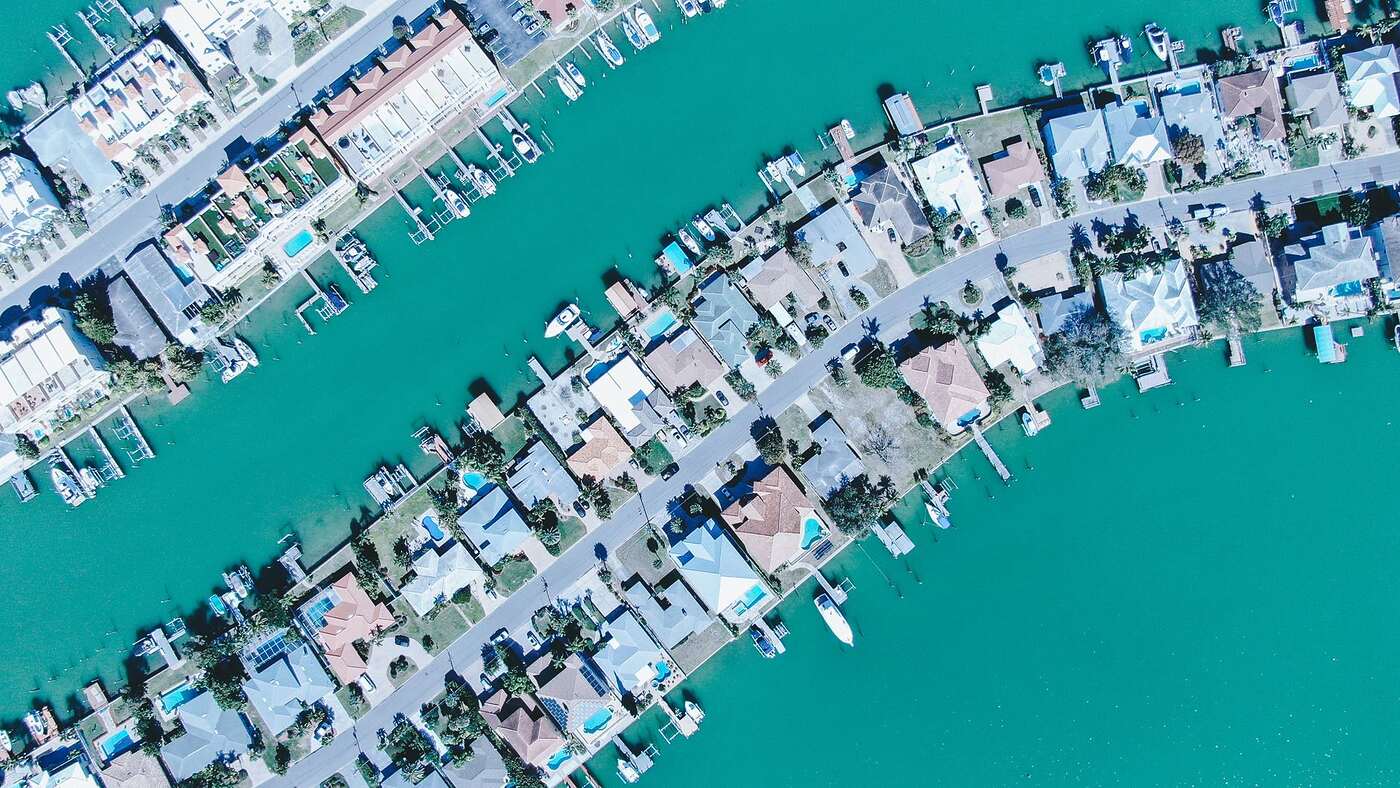
Single-story ranch houses on finger canals off the New River, each with a sea wall and a dock at the back, put the rat route on the one side of the lot nobody walks. Licensed contractors handle every job we route.
Why the canal side of a Lauderdale Isles lot matters most
On a Lauderdale Isles lot the rat problem starts at the sea wall, because the sea wall and the dock line are where the animals live, travel and climb, and the back of the lot is the side homeowners look at least. The neighborhood sits west of I-95 along Riverland Road, laid out on finger canals that open onto the New River and run out to the Intracoastal. Realty listings describe the stock as single-story Florida ranch houses built in the 1960s, most of them with a sea wall and dockage at the rear.
That layout gives a roof rat a highway. The sea wall cap is a flat, sheltered run from lot to lot, the dock pilings and the boat lift are ladders, and the hedge or the sea grape planted along the wall for privacy is cover the whole way. From the dock the animal climbs a mooring line, a boat cover or the lift's cable, and from the boat or the lift it is a short jump to a fence top and the rear eave. A roof rat ranges about 150 yards from its den, by UF/IFAS's figure, which on a finger canal means every dock on the block is inside its territory.
Norway rats work the same wall from below. They burrow in the fill behind a sea wall where the soil has slumped or a joint has opened, and they come out at night for whatever is on the dock: bait buckets, fish scraps, a dock box with dog food in it, a boat's galley. A burrow mouth at the base of a hedge or a fresh hole in the lawn beside the wall cap is the sign, and it belongs on the same inspection as the attic.
How a 1960s ranch house here lets them in
A single-story ranch house makes every part of the roofline reachable from the ground, a fence or a boat lift, and the low pitch and wide overhang typical of the era put the weak points within easy reach of a rat coming off the canal. Whoever attends walks the rear eave first, then the sides, then the attic.
- The rear eave over the patio or the Florida room, where an addition meets the original roof
- Soffit vents with the original screening rusted or pushed in
- Gable vents facing the canal, with a light screen chewed through at the edge
- The gap behind a screened pool enclosure where its frame meets the fascia
- A barrel tile eave on the houses that have been re-roofed, if the bird stop is missing or has corroded through
- The AC line set and the electrical entry on the side wall
- The garage door bottom seal and the weather strip at its edges
Every one of those gets closed to a quarter inch, the rat-proofing standard UF/IFAS gives, using galvanized hardware cloth, sheet metal or a fitted eave closure. That sealing is its own service under rodent exclusion, and it comes before or alongside the trapping described under roof rat removal. A canal-front sealing job should also cover the ground: a burrow behind the wall is collapsed and filled, the hedge base is cleared, and the dock is cleaned of anything edible.
Water, weather and timing on the finger canals
Water is the reason a Lauderdale Isles rat job happens when it does. Heavy rain from June through November floods the low ground behind the sea walls and drives ground-level animals up and into whatever is dry, which on a canal lot is the garage and the attic. The first audible sign, a run across the ceiling after the house goes quiet, usually arrives with the first cool nights of November and December, and the calls from these streets peak through February.
Breeding never pauses in Broward's winter. UF/IFAS records that roof rats breed through the year in Florida, reaching maturity at three to four months and producing litters of five to eight, so an animal that came up the dock line in August has a colony in the attic by the time anyone hears it. Lying awake listening to it, and being told by a neighbor that it is a gecko or a palm frond, wears people down. The inspection is free and it settles what the sound is.
Storms add a second wave. Wind strips shingles and soffit panels, a surge or a king tide overtops a low wall and floods the burrows, and the yard debris that piles up afterward is nesting cover. The CDC ties leptospirosis case increases to hurricanes and floods, names rodents among the reservoirs, and recommends rodent control as post-flood prevention; on a canal lot that advice is direct. A post-storm rodent inspection covers the wall, the dock and the roof in one visit. Whoever attends holds the FDACS credential the job needs, and the number can be looked up with FDACS before work starts. Use the contact page to ask anything before booking.
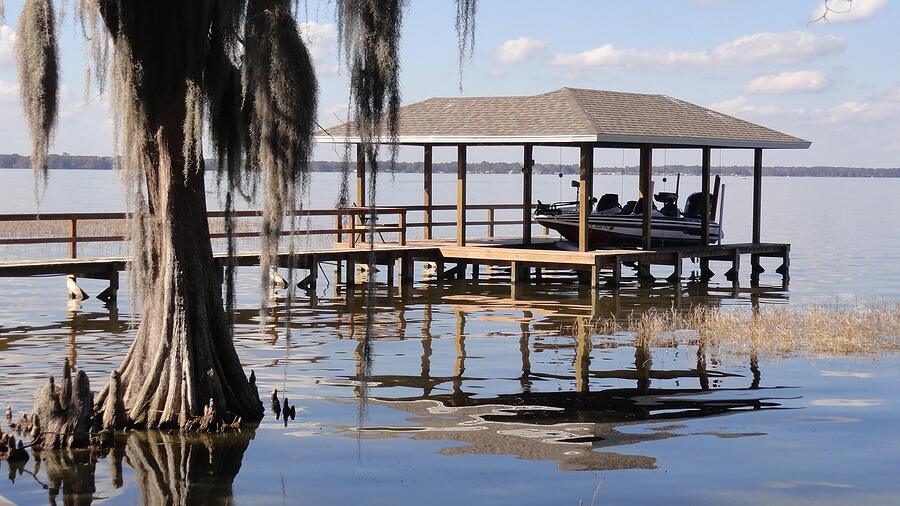
A representative Lauderdale Isles sea wall and dock line
A concrete sea wall cap, a dock with a boat on a lift, and a hedge running the length of the wall: the three features whoever attends checks before going near the ladder on a canal lot. Rub marks along the cap, a burrow mouth at the hedge base and droppings on the dock boards tell the inspector which animal is present and which way it is going. The image is representative of the setting; it shows the type of lot and no particular property.
The order an attic job runs in
Five stages, from inspection through to cleanup.
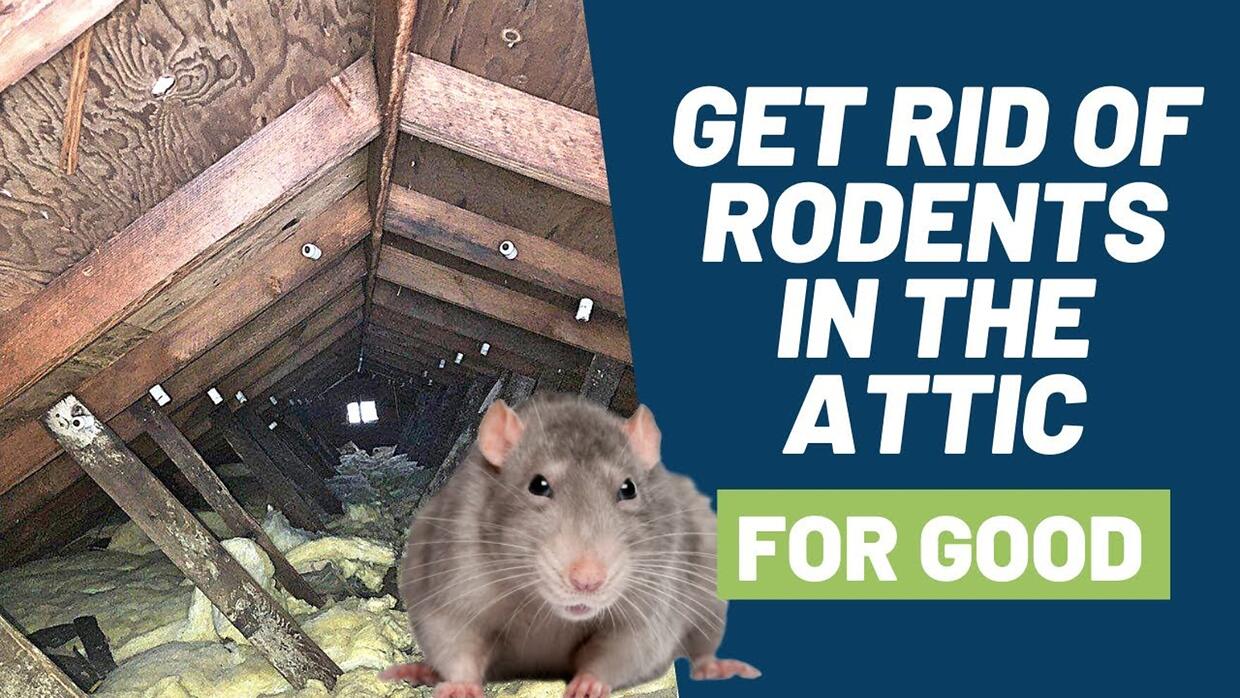
Video: 5 Step Solution to Get Rid of Rodents in Your Attic, from Atticare Construction.
Why Lauderdale Isles homeowners route rodent work through us
The routed contractors inspect the canal side as carefully as the roof, seal before they trap and put the FDACS number on the table.
The sea wall and the dock are on the inspection
A canal lot has two fronts, and the contractor we route inspects both. The rear walk covers the wall cap, the dock, the lift, the hedge base and the fill behind the wall for burrows, and the roof walk covers the rear eave, the vents and any tile course. Openings a quarter inch and larger get closed with galvanized hardware cloth, sheet metal or a fitted eave closure, and a burrow gets collapsed and filled. The written list you receive covers the wall as well as the roof.
UF/IFAS: roof rats range about 150 yards from the den
Trapping over poison beside the water
Traps are the default on a canal lot and the contractor we route explains the alternative before using it. The EPA describes most rodenticides as anticoagulants that kill four days to two weeks after feeding starts, and second-generation products are restricted to tamper-resistant stations in residential settings. A baited rat dies wherever it happens to be, which beside a canal can be in a wall void, under a dock or in the boat. UF/IFAS notes that trapping cuts the risk of a poisoned rat dying inside the building.
EPA: second-generation anticoagulants restricted to tamper-resistant bait stations
A free inspection, then a quote in lines
The inspection of the wall, the dock, the roof and the attic costs nothing, and the quote that follows is split into exclusion, trapping, follow-up visits and any cleanup. National cost guides price a standalone rodent inspection at up to $175, and the wide range of bundled numbers homeowners report in forums is why every line is shown on its own. A single-story slab house has no crawl space or basement to price, so a Lauderdale Isles quote can sit under the national spread for the same scope.
HomeGuide 2026: standalone rodent inspection $0 to $175 nationally
A typical rodent call from a Lauderdale Isles dock
The situation: A boat owner on one of the finger canals finds a bag of dog food in the dock box torn open, then a hole the size of a fist in the lawn where the grass meets the sea wall cap, then droppings on the boat's cockpit sole under the cover. There has been no noise in the house. He assumes the animals are living on the boat and calls after finding chewed wiring insulation in the bilge.
What gets done: Whoever attends walks the wall first and finds two burrow openings in the slumped fill behind a cracked wall joint, with a beaten path to the dock box and up a lift piling to the boat. The attic is clean, the rear eave is tight, and the garage door seal has a chewed corner. The burrows are collapsed and filled, the garage seal is replaced, the dock box and the boat are cleared of food, snap traps go in covered stations along the wall cap and the burrow line and stay a week, and the cracked wall joint is noted for a marine contractor. The quote separates ground exclusion, trapping and one follow-up.
How it turns out: The stations take several adult Norway rats over the first ten days and the path along the wall goes quiet. The return visit finds no fresh digging and no new droppings on the boat, the owner gets a written record of the burrows closed and the seal replaced, and the wall joint is repaired before the next hurricane season. The bilge wiring is repaired by a marine electrician.
Questions from Lauderdale Isles homeowners
Canal lots raise questions that inland houses never do.
The canal side
Can rats get onto my boat from the dock?
Yes, and they do it by the mooring lines, the lift cables and the boat cover, all of which a roof rat climbs without effort. Food is the draw: a galley, a bait cooler, a dock box with pet food or birdseed. The fixes are clearing every food source from the dock and the boat, keeping the cover tight, fitting rat guards on lines where a vessel stays in the water, and then dealing with the population on the wall, because a boat is only a stop on a route that runs along the sea wall cap from lot to lot. Whoever attends includes the dock in the inspection.
What does a rat burrow behind a sea wall look like?
A burrow shows as a clean hole a couple of inches across at the base of a hedge, beside the wall cap or under a paver, often with a fan of loose fill outside it and a worn path leading to the dock. That is Norway rat work; the species lives at ground level and digs where the fill behind a wall has slumped or a joint has opened. Roof rats leave rub marks along the cap and droppings on the dock instead. The routed contractor collapses and fills the burrows as part of the ground exclusion and flags the wall joint for a marine contractor, since a failing joint invites the next one.
The house
There is no noise in the attic. Do I still have a rat problem?
Possibly, because on a canal lot the animals often stay outside until the weather pushes them in. Droppings on the dock, a torn bag in the garage or a burrow at the wall are a problem in their own right, and the summer rains and the November cool snaps are when that outdoor population moves into the garage and the attic. Dealing with it at the wall and the dock while the house is still quiet is the cheaper job. The free inspection covers both, and the quote shows the ground work and any roof work as separate lines.
What keeps them away for good on a canal lot?
A closed house and a bare dock, kept that way. Every opening a quarter inch and larger at the eave, the vents, the garage door and the utility entries gets closed with steel; the hedge along the wall is thinned at the base so the cap is open to view; nothing edible stays on the dock or in the boat; limbs and fronds are kept about six feet off the roof. Repellents, ultrasonic plugs and a cat do not hold a lot against animals that arrive along a sea wall every night. Ask whoever attends about the warranty terms on the sealing before the work starts.
Still have a question? Call (954) 790-6402 and ask.
Book a free inspection in Lauderdale Isles
Call (954) 790-6402 or send the form. Someone answers around the clock, and the inspection of the wall, the dock, the roof and the attic costs nothing.