Attic Cleanup and Decontamination in Fort Lauderdale, FL
A Fort Lauderdale attic that carried roof rats through a summer holds droppings, soaked insulation and a smell the heat makes worse. Licensed contractors handle every cleanup we route, after the roofline is closed.
What attic cleanup after rodents covers in Fort Lauderdale
Attic cleanup in Fort Lauderdale means removing every dropping, every urine-soaked run of insulation and every nest from the attic, then sanitizing the framing and the deck so the smell and the contamination go with them. It is quoted as its own line, after the trapping is finished and the roofline is sealed, so you can see the cleanup cost on its own and decide how far to take it.
The scope depends on what the inspection finds. A short occupation on one side of the attic may need spot removal and a treatment of the joists. A colony that has been in place through a wet season usually means the insulation comes out across the whole floor, because urine wicks along blown-in fill far beyond the runs you can see.
- A contamination map from the free inspection: dropping runs, staining, nests, chewed wiring and duct damage, with photos
- Removal of droppings and nesting material with a HEPA-filtered vacuum, bagged in the attic and carried out sealed
- Removal of contaminated insulation, spot or full floor, through a vacuum hose or by bagging at the hatch
- An EPA-registered disinfectant applied to joists, top plates and the underside of the deck, with an odor neutralizer where staining has soaked in
- A written record of what was removed and which areas were treated, for insurance and for a later clearance letter
- Optional replacement of the insulation, quoted separately under attic insulation replacement
People who have listened to an attic for weeks often want the contamination gone even more than they wanted the animals gone. The house does not feel like theirs again until the attic is clean. That is a reasonable thing to want and it is the reason the cleanup is a distinct service with its own quote.
Signs a Fort Lauderdale attic needs decontamination
A musky, ammonia-edged smell at the attic hatch on a hot afternoon is the sign that gets the most Fort Lauderdale attics cleaned, and it usually arrives after the noise has already been dealt with. The others are visible from the hatch with a flashlight.
- Droppings across the top of the insulation, along the top plates and around the air handler; roof rat droppings run a quarter to half an inch and curve like a small banana with pointed ends, per UF/IFAS
- Yellow or brown staining on blown-in fill, and fill that has slumped and matted where urine has soaked through
- Tunnels and hollows in the insulation, or fill piled into a mound against a warm duct or the water heater flue
- Shredded paper, palm fiber, fabric and insulation packed into a corner or under a duct: a nest
- Dark rub marks along a rafter or the edge of an old entry, from an oily coat on a repeated route
- Flies in a closet ceiling or a smell that peaks and then fades, which points to a carcass and a separate dead rodent removal
- Duct insulation chewed open, or flex duct with a hole, which spreads the smell through the air handler
Heat is the amplifier here. A vented attic under a barrel tile roof in Fort Lauderdale runs hot and humid from May through October, and contaminated insulation in that environment breaks down faster and gives off more odor than the same material would in a cooler, drier attic. An attic that smelled faintly in February can be hard to stand in by July. That is why cleanup calls in Broward peak in summer even though the rodent calls peak in the cool snaps.
Why the roofline gets sealed before the attic gets cleaned
The cleanup comes last, after sealing and trapping, because cleaning an attic that is still open at the eave is cleaning an attic that will be recontaminated. The contractor we route closes every opening a quarter inch and larger, runs the traps until the attic goes quiet, and only then brings in the vacuum.
The order of work
Sealing, then trapping, then cleanup, then insulation is the sequence that holds. Reversing any two steps costs money. Insulation blown in before the sealing is done gets soiled again. A vacuum run through an attic while animals are still nesting stirs up material and moves the animals into the walls.
- Exclusion at the roofline: tile eave closures, soffit returns, vent screens and utility penetrations closed with metal (see rodent exclusion)
- Trapping inside the attic until a verification visit finds no fresh droppings
- Removal of droppings, nests and contaminated insulation
- Disinfection and deodorizing of the framing and deck
- New insulation, if wanted, to the depth the attic needs
Removal methods compared
The removal method matches how much of the attic is contaminated, and the difference shows up in both the price and how long the crew is in the house.
| Method | What it does | Where it fits |
|---|---|---|
| Spot removal and treatment | Droppings and a few soaked patches vacuumed out, joists and deck disinfected, remaining insulation left in place | Short occupations confined to one area of the attic |
| Full insulation removal by vacuum | A large insulation vacuum outside the house pulls blown-in fill through a hose run in through the hatch or a gable vent, into sealed bags | Blown-in attics with staining across the floor; the fastest way to clear a whole attic |
| Full removal by bagging | Batts rolled and bagged by hand in the attic and carried out | Batt insulation, or attics where a hose cannot be run |
| Fogging with a disinfectant | An ultra-low-volume fogger carries the sanitizer into every cavity after the material is out | Every full removal; on its own it treats surfaces and leaves the contaminated material where it is |
Fogging sold on its own, over insulation that stays in the attic, is the cleanup equivalent of a blob of foam in a soffit gap. It treats the surface and leaves the problem underneath. Ask what is coming out before you ask what is being sprayed.
Will you clean up and decontaminate, or only trap?
Cleanup and decontamination are available on every job we route, quoted as a separate line so you can take it or leave it once the trapping is done. Homeowners in the forums ask this question because plenty of trapping companies leave the attic exactly as they found it, and the smell in August is the reminder.
Ask it on the first visit and ask for the answer in writing. A quote that reads trapping, exclusion, cleanup, insulation on four lines tells you who does what and lets you compare it with another bid. A single bundled figure cannot be compared with anything. If the trapping contractor does not offer the cleanup, ask who they hand it to and get that quote separately.
The one thing to hold firm on is the order. Whoever attends should be closing the roofline and clearing the attic before anyone talks about the vacuum. Cleanup before sealing is a second cleanup waiting to happen.
Do I need to worry about hantavirus in a Fort Lauderdale attic?
Hantavirus is a low concern in a Fort Lauderdale attic, because the virus reservoir identified in Florida is the native cotton rat, a field species that lives outdoors in grassland and brush, and most cases in the United States occur in the western states. A roof rat colony under a Broward tile roof is a different animal in a different place.
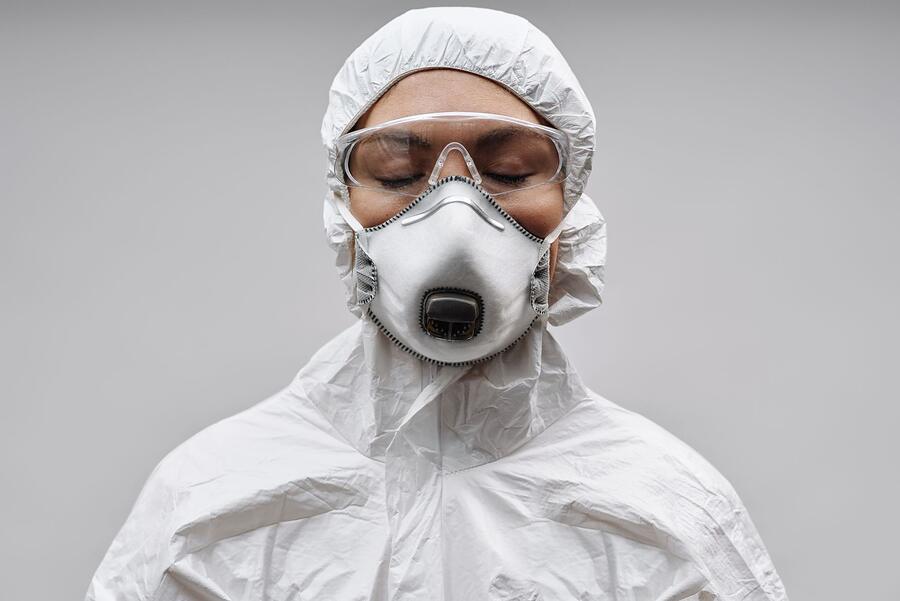
The respirator and the suit still go on. The CDC describes rodents as carriers of many diseases that spread directly through urine, droppings, saliva and bites, and indirectly through fleas, ticks and mites that fed on an infected animal. Dried droppings and soaked insulation become airborne dust the moment a vacuum or a boot disturbs them, and the attic is a hot enclosed space with poor airflow. The protective gear is for that general contamination, and whoever attends should be wearing it for that reason and saying so.
Mites deserve a mention because they are the aftermath nobody warns about. Once the host animals are trapped out, mites that lived on them are left in the nest material, and forum threads describe people getting bitten weeks after the rats are gone. Removing the nests and the insulation they lived in is how that ends.
What attic cleanup costs in Fort Lauderdale
National cost data puts attic cleanup and decontamination at $600 to $2,500 for a typical job, and the free inspection produces the real figure for your attic as an itemized quote. There is no Fort Lauderdale-specific cost survey, so the bands below are national figures from HomeGuide 2026 and are labeled that way.
| Line item | National band (HomeGuide 2026) |
|---|---|
| Attic cleanup and decontamination | $600 to $2,500 |
| Insulation removal and replacement | $2.50 to $5.50 per sq ft |
| Dead rodent removal | $150 to $500 |
| Full-home exclusion | $500 to $2,500 |
| Full-scope restoration | $3,000 to $10,000 and up |
| Standalone inspection | $0 to $175 (free here) |
Five things move a Broward cleanup quote inside that band: the square footage of the attic floor, whether the removal is spot or full, blown-in versus batts, how long the animals were in place, and how hard the attic is to work in. A low attic under a hip roof with the air handler in the middle takes longer than an open gable attic with a walk board. Duct repair and chewed wiring are extra lines from other trades.
One local observation cuts the other way. The national guides fold crawl space and basement decontamination into their numbers, and Fort Lauderdale houses sit on slabs, so a Broward attic-only job can land under the national spread for the same scope. Ask whether any recurring plan is bundled into the figure, and ask for the cleanup as its own line.
Fort Lauderdale attics, heat, storms and who may do the work
Fort Lauderdale attics are vented, hot, humid and sit under tile, and the housing that fills the cleanup schedule is the 1920s to 1960s single-family belt east of US-1 plus the condo and townhouse stock that shares attics along a party wall. The climate makes contamination worse, the housing era makes it more common, and the state decides who may trap the animals that caused it.
Vented attics under tile
A barrel tile roof over a vented attic breathes through the eave course, the soffit and the ridge, which keeps the roof deck cooler and keeps the attic at outdoor humidity. Blown-in fill in that attic takes on moisture every summer, and once urine is in the mix the material mats, sours and holds the smell. The open eave course that let the rats in is also where the bird stop belongs, and closing it is part of the exclusion that precedes any cleanup.
The older neighborhoods
Victoria Park, Poinsettia Heights and the older streets of Rio Vista carry 1920s houses; Rio Vista and Coral Ridge add 1940s to 1960s stock. Many of those attics still hold their original insulation and original soffit screens, so the contamination has often been building for years by the time the smell reaches the hallway. Canal-front lots in Lauderdale Isles and the Las Olas Isles add the dock line and the sea wall as the route the animals took to the roof.
Condos and townhouses
A large share of the city lives in condo and apartment buildings, and in a townhouse row the attic is often continuous above the party wall. Cleanup in that setting is a board and property manager decision, and the quote has to cover the shared space or the contamination migrates back. The commercial rodent control page speaks to managers on that point.
Storm season
June through November brings the rain that pushes roof rats indoors and the wind that lifts tile. The Department of Energy documents storms breaking and displacing roof tiles, with one broken tile cascading into its neighbors, and an attic that took water through a lifted tile after a storm can hold both wet insulation and a fresh colony. Hurricanes and floods are followed by rises in leptospirosis in the CDC's records, rodents are among the reservoirs it names, and rodent control is one of the prevention steps it lists for the weeks after the water recedes. A post-storm rodent inspection exists for that window.
Licensing
Trapping rats or mice in, on or under a structure for hire in Florida requires at minimum an FDACS Limited Commercial Wildlife Management certificate, and any rodenticide use requires an FDACS pest control business license with a certified operator in General Household Pest and Rodent Control. FWC does not license rat and mouse trappers. Cleanup follows trapping on almost every job, so the contractor doing the trapping side needs that credential, and the disinfectants used in the attic should be EPA-registered products applied to their label. Every contractor we route holds the FDACS credential the job needs. Look the license number up with FDACS before work starts.
What to check before an attic cleanup crew starts
Six questions sort a cleanup quote: what is coming out, what is being applied, whether the roofline is sealed first, what the license number is, what the warranty on the sealing says, and how many visits are included. Whoever attends should answer all six before a hose goes through the hatch.
- Ask whether the removal is spot or full, and how the decision was made. Ask to see the contamination photos from the inspection.
- Ask which disinfectant and which odor product will be used, and ask for the product names on the quote.
- Confirm the exclusion is complete and the traps have gone quiet before the cleanup date is set.
- Look the FDACS license number up before work starts.
- Ask what warranty terms attach to the sealing, whether the term renews, and what happens if animals come back after the attic is clean.
- Ask how many return visits are included and whether the quote bundles a monitoring plan.
Bring the same questions to every bid, and use the contact page if you would like them answered before anyone comes out. The about page covers what the routed contractors are expected to put in writing.
The services that usually run alongside this one
A Broward rodent job is a sequence of separate lines, and these are the pages that cover the steps on either side of this one.
- Attic Insulation Replacement: Taking out compressed, urine-wet insulation and blowing in fresh material after sealing.
- Rodent Exclusion: Closing the tile eave with a bird stop, then the soffits, vents and penetrations, to the quarter-inch standard.
- Dead Rodent Removal: Locating and removing the carcass behind the smell, then closing the way it came in.
How the pieces fit together, and which license to look up, is covered on the about page. The contact page has the hours and the office address.
The right way to clean up droppings
Guidance from a national pest control brand.
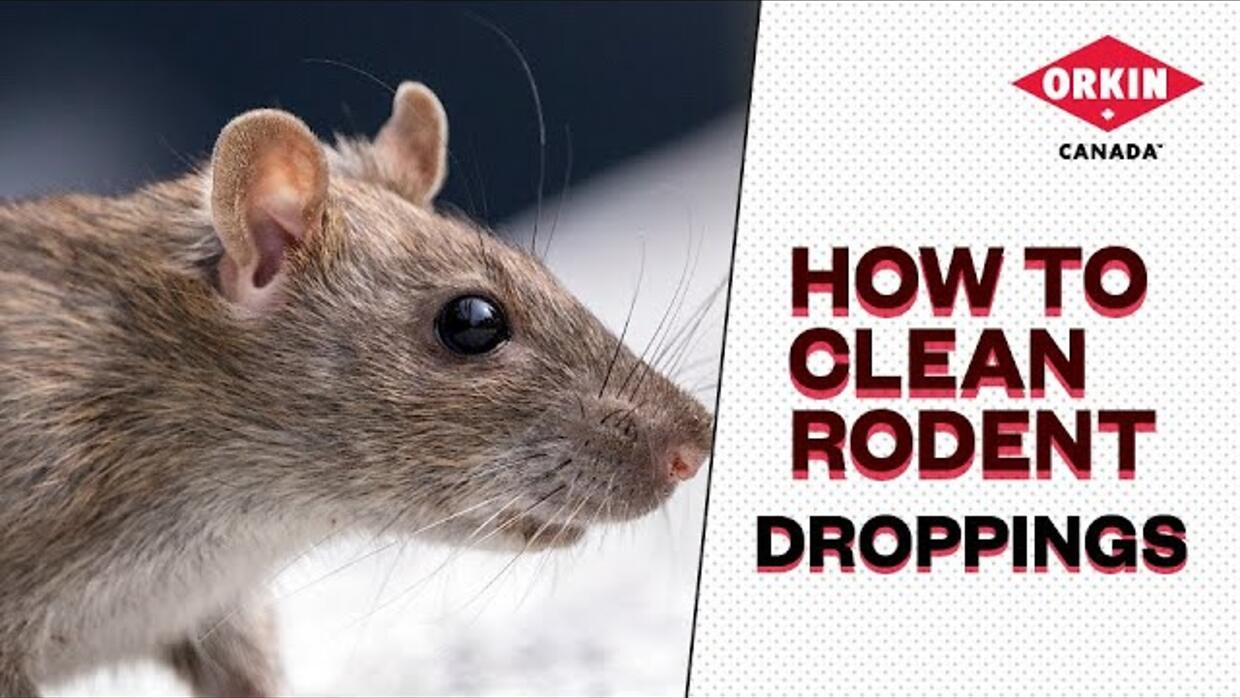
Video: How To Properly Clean Rat and Other Rodent Droppings, from Orkin Canada.
How an attic cleanup runs in Fort Lauderdale
The roofline is closed and the attic is trapped out before anything is removed, and the cleanup is the last step before new insulation.
-
Free inspection and contamination map
Whoever attends checks the attic with a light, photographs dropping runs, staining and nests, and marks the roofline openings. You get findings and a quote in separate lines.
-
Exclusion at the roofline
Tile eave closures, soffit returns, vent screens and penetrations are closed with metal against the quarter-inch standard, so the cleaned attic stays clean.
-
Trapping until the attic goes quiet
Snap traps stay on the marked runs at least a week and are checked on a schedule. A verification visit confirms no fresh droppings before cleanup is booked.
-
Removal of droppings, nests and insulation
Droppings and nests go out through a HEPA vacuum, and contaminated insulation is pulled by hose or bagged at the hatch, sealed and carried off site.
-
Sanitize, deodorize and record
Joists, top plates and the deck get an EPA-registered disinfectant and an odor neutralizer, and you get a written record of what was removed and treated.
Why Fort Lauderdale homeowners route attic cleanup through us
The cleanup is sequenced after the sealing, quoted on its own line, and done by a contractor whose license you can check.
Cleaned after it is sealed
The contractor we route closes the eave course, the soffit returns and the vents before the vacuum comes out, because a Broward attic cleaned with the roofline still open refills from the palms and the dock line within weeks. Openings are measured against the quarter-inch figure that UF/IFAS gives as the rat-proofing standard, the traps run until a verification visit finds nothing fresh, and only then does the insulation come out.
UF/IFAS: a quarter inch is the rat-proofing standard
A cleanup line you can compare
The inspection is free and the quote that follows separates exclusion, trapping, cleanup and insulation, so you can put it beside another bid. National cost data brackets attic cleanup and decontamination between $600 and $2,500 for a typical job, and a Fort Lauderdale attic-only scope, with no crawl space or basement in the picture, often lands inside or under that band. What is coming out and what is being applied are written on the quote.
HomeGuide 2026: attic cleanup and decontamination $600 to $2,500 nationally
FDACS credential on the trapping side
Rodent trapping in a structure is regulated by FDACS in Florida, and every contractor we route holds the credential the job needs: a Limited Commercial Wildlife Management certificate at minimum, or a pest control business license with a certified operator where any bait is involved. The disinfectants used in the attic are EPA-registered products applied to their labels. The license number can be looked up with FDACS before the crew arrives, and you are encouraged to check it.
FDACS Limited Commercial Wildlife Management certificate, checkable in the FDACS license lookup
What Reddit Says About Attic Cleanup in Fort Lauderdale
Homeowners in the r/pestcontrol and r/HomeImprovement threads treat attic cleanup as the line item most likely to be missing from a rodent quote. They collect several bids for the same scope, they want the number split into trapping, sealing and cleanup, and they ask on the first call whether the company cleans and decontaminates or only traps. A single figure with cleanup folded in somewhere is read as impossible to compare, and paying around $75 for an inspection just to get a bid is a common complaint.
The red flags are consistent across threads. A company that traps for months and leaves the attic as it found it. A quote that bundles a long monthly monitoring contract into the removal price. Sealing done with animals still inside, which sends them into the walls, and the reverse, trapping with nothing sealed, which one commenter called harvesting rodents. Dead-animal smell in a wall after a bait plan drives its own searches, and so do mites biting people weeks after the rats are gone, which nobody in the threads had been warned about.
The questions they tell each other to ask are short: what exactly is included and what is a separate line, will you clean and decontaminate or only trap, is the sealing warrantied and does the warranty renew, how many follow-up visits are included, and what happens if they come back. Timelines run longer than anyone expected, with two months common, and the threads are heavy with sleep loss and the sense that the house is no longer entirely theirs until the attic is dealt with.
Every contractor we route is expected to answer that list in writing, with cleanup as its own line.
A typical attic cleanup call on a canal-front lot in Lauderdale Isles
The situation: A family in a single-story canal-front house in Lauderdale Isles had roof rats trapped out in March after a winter of scratching over the bedrooms. The animals had come up the dock line and a mango limb at the rear of the lot. By late June the hallway smells sour on hot afternoons, the air handler seems to spread it, and one of them has started sleeping on the couch to get away from it.
What gets done: Whoever attends confirms the eave course and the soffit returns were closed in March and finds no fresh droppings. The light shows blown-in fill stained yellow across the bedroom side of the attic, a nest of palm fiber and shredded duct wrap against the air handler, and a chewed flex duct pulling attic air into the system. A full-floor removal goes on the quote, along with fogging, an odor treatment on the top plates and a duct repair from another trade. The insulation is quoted on its own line and left for the family to decide.
How it turns out: The fill comes out through a hose run in at a gable vent, the nest and droppings go out in sealed bags, the framing and deck are treated, and the duct is patched the same week. The smell is gone once the air handler runs clean, the family gets a written record with photos, and they book the insulation replacement before the next cool snap.
Attic cleanup questions from Fort Lauderdale homeowners
The questions below come up on the phone and in the homeowner threads once the trapping is over.
Scope and safety
Can I clean the attic droppings myself?
Light droppings on a walk board can be handled by a homeowner with gloves, a respirator, a disinfectant soak before wiping, and sealed bags, and the CDC guidance on rodent cleanup describes that approach. Soaked blown-in insulation across an attic floor is a different job. It has to come out through a vacuum or in bags, it goes airborne when disturbed, and a hot Fort Lauderdale attic in summer is a hard place to work in a suit. Most people who start the big version of this job by hand call a contractor part way through.
Does the whole attic have to be emptied, or just the dirty part?
The inspection decides it, and the answer depends on how far the urine has spread through the fill. A short occupation confined to one corner can be spot-removed and the joists treated. A colony that has been in place through a wet season usually means the whole floor comes out, because staining on blown-in fill travels well beyond the runs you can see and the smell comes back from whatever stays. Ask for the photos that justify either answer and ask for both options priced.
Will the smell go away without cleaning?
The smell fades slowly in a dry climate and barely at all in a vented South Florida attic, because the insulation keeps taking on humidity every summer and the odor comes back with the heat. A smell that peaks over a few weeks and then drops is more likely a carcass, which is a dead rodent removal question. A steady sour smell that grows through June and July is contaminated insulation and it ends when the material is removed and the framing is treated.
Timing and cost
How soon after trapping can the cleanup happen?
Cleanup follows the verification visit, which comes after the traps have gone quiet and the roofline has been closed. Trapping a small number of animals takes two to three days in HomeGuide's national data and a heavy infestation one to two months, and roof rats are wary of new objects, so UF/IFAS advises leaving traps in place at least a week before judging them. Booking the vacuum for a date before the attic is verified clear tends to buy a second cleanup.
Does homeowners insurance pay for attic cleanup?
Policies vary and many exclude damage from rodents as a maintenance issue, so the sound move is to read the policy and ask the carrier before assuming coverage. What helps a claim, if one exists, is documentation: the inspection photos, the written record of what was removed and treated, and an itemized quote with cleanup and insulation as separate lines. The contractor we route produces those on every job whether or not a claim is filed.
Is fogging the attic enough on its own?
Fogging treats surfaces after the contaminated material is out, and on its own it leaves soaked insulation and nests exactly where they were. It has a place at the end of a full removal, when a fogger carries the disinfectant into cavities a sprayer cannot reach. A quote that offers fogging over insulation that stays in the attic is a surface treatment priced as a cleanup, and the smell returns with the first hot week.
Still have a question? Call (954) 790-6402 and ask.

Book a free attic inspection in Fort Lauderdale
Call (954) 790-6402 or send the form. Someone answers around the clock, the inspection costs nothing, and the cleanup is quoted as its own line.