Rodent Removal in Deerfield Beach, FL
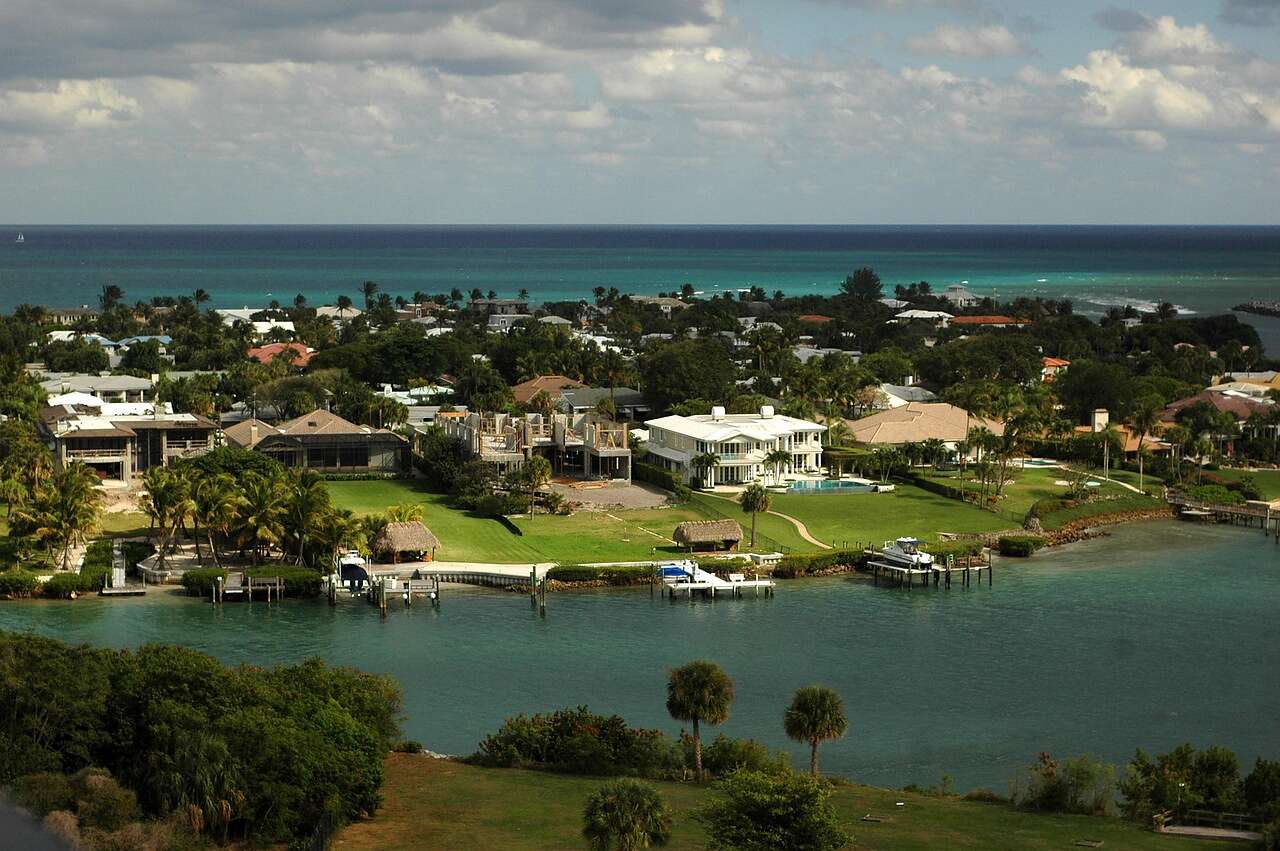
Deerfield Beach is the top of Broward County, with the Hillsboro Canal on one side and sixty-year-old block houses in between. The call gets a free inspection and a roofline closed against the next rat.
Free Inspection in Deerfield Beach
A free inspection of a Deerfield Beach house covers the water side, the canopy, the roofline and the attic in that order. In the Cove and the other canal neighborhoods that means the sea wall, dock and hedge line first; on an inland 1960s house it means the citrus and the palms before the ladder goes up. At the roofline the contractor looks at the eave course of the tile, the soffit returns, the gable and off-ridge vents and every utility penetration, then goes into the attic to read droppings, rub marks and the runs pushed through the insulation. Findings come in writing, with exclusion, trapping and cleanup each on its own line.
Deerfield Beach is the northernmost beach city in Broward County, a run up I-95 or Federal Highway from downtown Fort Lauderdale that takes most of half an hour. The phone is answered at any hour. If the scratching started tonight, book the free inspection now; licensed contractors handle every job we route.
The Hillsboro Canal, the Cove and the canal neighborhoods
The Hillsboro Canal forms the northern edge of Deerfield Beach and of Broward County, with Boca Raton and Palm Beach County on the far bank, and the finger canals and Intracoastal frontage that feed into it are where the roof rat gets its cover. The Cove, east of Federal Highway, is the best known of the canal neighborhoods: single-story houses from the 1950s and 1960s on deep lots with a sea wall, a dock and often a lift at the rear, and a hedge or a row of palms running the property line down to the water. UF/IFAS describes the roof rat as an arboreal animal that travels branches, wires and palm trunks, and a hedge along a sea wall is the same runway laid flat.
Norway rats belong to the same water. They dig behind sea walls, under dock decking and along the riprap at the Hillsboro Canal edge, and they show up on properties near the marinas and the boat ramps. A canal house in Deerfield Beach can have a roof rat problem in the attic and a Norway rat burrow at the dock on the same day, and the inspection reads both. Rodent exclusion on a Cove house includes the rear of the lot and the dock line, because sealing the roofline while the hedge still touches the eave leaves half the job undone.
Century Village and the other 1970s condo communities
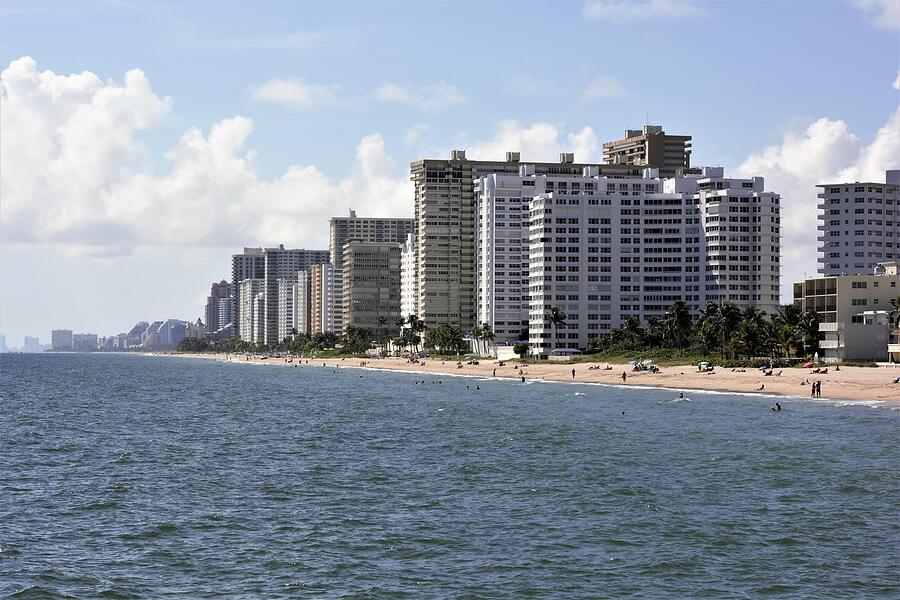
A large share of Deerfield Beach housing is in condominiums built during the 1970s, and rodent work in those buildings is a board and management decision. Century Village, west of I-95 off Hillsboro Boulevard, is the largest: a retirement community of several thousand units in low-rise buildings around small lakes, developed from the early 1970s onward, with shared roofs, shared landscaped grounds, trash rooms and a canopy of palms and shade trees at eave height. A rat in one unit's ceiling is in a shared attic space, and the fix has to run the length of the building.
The city grew fastest between 1950 and 1980, and the condo stock from the back half of that window shares one profile: flat or low-pitch roofs with fascia and soffit at the end of their life, original vent screens, and irrigated planting kept close to the walls. Residents in a 55-plus building are often the first to hear the noise and the last to be believed by a management office. A written inspection report gives the board something to act on, and commercial rodent control covers multifamily buildings under a manager. A unit changing hands can also be covered by a rodent clearance letter.
1960s and 1970s block houses inland
The inland single-family blocks of Deerfield Beach are concrete block houses from the 1960s and 1970s, and on a house of that age the entry points are at the top. Block walls stay closed. The fascia board, the soffit panels, the gable vent screen and the first course of a barrel tile roof do not. On a tile roof the gap under that first course is meant to be closed by a bird stop, a code-approved metal eave closure, usually 26 gauge galvanized or aluminum and sometimes ventilated, and the Department of Energy lists installing bird stopping among its recommended measures for tile roofs. A sixty-year-old bird stop is often rust, and the open eave that leaves behind runs the whole length of the house.
Yards in these blocks carry mango, avocado, citrus and guava, and royal, queen and coconut palms, and a limb or frond within about six feet of the roof edge is the ladder. UF/IFAS gives the roof rat a range of around 150 yards from its den, which covers most of a Deerfield Beach block. Sleep goes first once the noise starts over the bedroom; the free inspection identifies the route and the opening on the first visit, and roof rat removal follows the sealing.
Storm season at the top of Broward County
Deerfield Beach took Wilma in 2005 and Irma in 2017, and the weeks after a wind event are when rodent calls follow the roof damage. Wind lifts and shifts tile, and the Department of Energy notes that a single broken tile tends to break the ones around it. Soffits tear loose. Downed limbs and fronds pile up as harborage in yards and on the canal banks, and standing water pushes animals to high ground, which on a slab house is the attic. The CDC links leptospirosis case increases with hurricanes and floods, names rodents among the reservoirs, and recommends rodent control as post-flood prevention.
Outside storm season the calendar has no gap. Roof rats breed through the year in Florida according to UF/IFAS, summer rain drives them indoors from June to November, and the cool snaps from November to February make attic activity loud enough to hear. A post-storm rodent inspection exists for the window right after a hurricane, when new openings are fresh and the animals have not yet settled.
What We Handle in Deerfield Beach
Deerfield Beach calls split between roof rats in single-family attics, canal-side Norway rats and condo buildings under a board, and every service below is routed to an FDACS-licensed contractor.
- Roof rat removal: attic trapping in a 1960s block house after the eave is closed
- Rodent exclusion: eave closures on tile, soffit rescreening, dock-line survey on Cove lots
- Rodent inspection: free, from the Hillsboro Canal bank to the ridge
- Attic cleanup: dropping runs and soiled insulation in a low, hot condo attic
- Attic insulation replacement: compressed or wet insulation after a long infestation
- Commercial rodent control: Century Village and the other managed condo communities, marina property
- Rodent clearance letters: a written clearance for a condo sale
A Typical Deerfield Beach Job
The situation: A widow in a second-floor unit of a 1970s low-rise condo building off Hillsboro Boulevard hears a slow dragging sound in the ceiling every night around two, followed by a scamper toward the outside wall. The management office tells her the building has quarterly pest service and nothing has been reported. A queen palm stands within arm's reach of the roof edge outside her bedroom, and there is a lake behind the building.
What gets done: Whoever attends walks the roof edge and finds a fascia gap where the soffit panel has dropped, with a rub mark on the stucco below it and dropping runs in the shared attic above three units. The board is sent a written report with photographs. Sealing goes the length of that building's eave in galvanized sheet metal and quarter-inch hardware cloth, the palm is scheduled for trimming back from the roof, and snap traps go on the runs in the shared attic and stay a full week. The quote to the association is itemized so the board can approve the sealing and trapping and put cleanup to a later meeting.
How it turns out: The traps take a handful of adults over ten days and go quiet. The return visit finds no fresh droppings, the board gets a written list of what was sealed and where, and the resident sleeps through the night for the first time in a month. Cleanup of the soiled insulation is approved at the next board meeting as a separate job.
What This Costs in Deerfield Beach
Rodent work in Deerfield Beach is quoted against national typical-job bands and then confirmed as an itemized figure at the free inspection. The ranges below come from HomeGuide's 2026 national data; there is no Deerfield Beach or Broward County cost survey to quote, so they carry the national label.
| Line item | National band (HomeGuide 2026) |
|---|---|
| Inspection on its own | Up to $175 nationally; no charge here |
| Rat trapping and removal | $250 up to $1,200 |
| Whole-house exclusion sealing | $500 up to $2,500 |
| Attic cleanup and decontamination | $600 up to $2,500 |
| Insulation out and new insulation in | $2.50 up to $5.50 for each square foot |
| Removing a dead rodent | $150 up to $500 |
| Restoration of a badly damaged attic | From $3,000 to $10,000 or more |
In Deerfield Beach the thing that moves a quote up the band is length: a long tile eave on a Cove house or a shared eave across a whole condo building means the closure has to run end to end. Working the other way, the national guides include crawl-space and basement pricing that a slab-built Deerfield Beach house has no use for, so a quote here can come in under the national range for the same scope. A condo quote goes to the association and should be itemized so the board can approve it in stages.
Rodents in the attic
What is happening above the ceiling, explained.
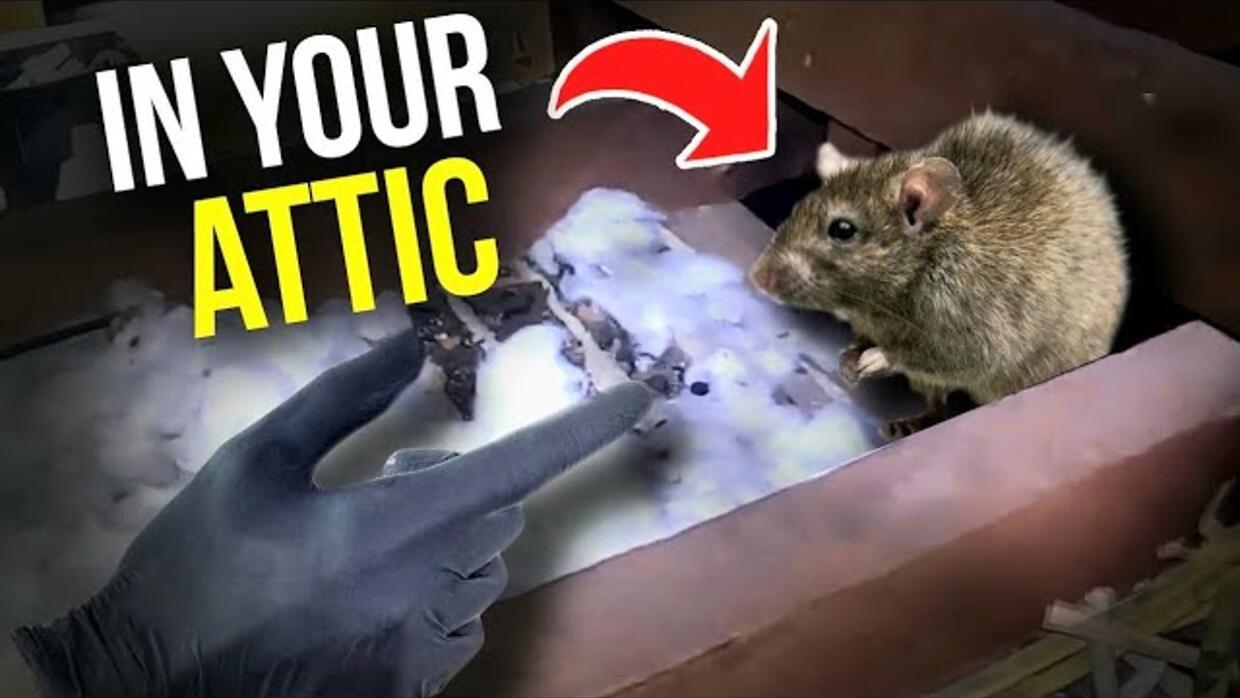
Video: Rodents in your ATTIC!? Here's what you do, from Twin Home Experts.
Common Questions in Deerfield Beach
What callers from Deerfield Beach want settled before they book.
Deerfield Beach questions
My condo has a pest contract. Why do I still have rats in the ceiling?
Most quarterly pest contracts cover insects and bait stations at grade, and a roof rat enters at the roof edge, above where that service looks. In a 1970s Deerfield Beach condo building the fascia and soffit are at the end of their life and the palms planted at the walls reach the eave, so the animal never touches the ground the stations sit on. Ask the management office what the contract includes and whether the roofline has ever been sealed. A written inspection report gives the board grounds to add exclusion, and trapping in a shared attic follows the sealing.
How long does it take to get rid of rats?
A light infestation with the roofline closed is over in days; a heavy one can run one to two months. Trapping a few animals takes two to three days by HomeGuide's count and a severe infestation one to two months, and the Deerfield Beach jobs that run past that are the ones where nothing was sealed. UF/IFAS advises leaving traps in place at least a week because roof rats are wary of anything new, and the species matures at three to four months with litters of five to eight several times a year, so a delay of a season turns a pair into a colony.
Choosing who does the work
Is it safe to do exclusion before trapping?
Exclusion first, or in the same visit as the trapping, is the professional sequence, with one condition: the animals already inside have to be trapped out rather than sealed in. A rat locked in a Deerfield Beach attic chews a new exit, sometimes into the living space, and a rat that dies in a wall becomes a dead-rodent call. The contractor we route seals the roofline and sets traps on the same visit, leaves the traps at least a week, and comes back to verify. Ask on the first visit which openings will be closed, with what material, and how many return visits are included.
What license should the person trapping rats in Deerfield Beach hold?
An FDACS Limited Commercial Wildlife Management certificate at minimum for trapping rats or mice in, on or under a structure, and an FDACS pest control business license with a certified operator in General Household Pest and Rodent Control if any rodenticide is applied. That is state law and it applies across Broward County. FWC does not license rat and mouse trappers, so an FWC trapper registration on its own is the wrong credential. Every contractor we route holds the FDACS credential the job needs; look the number up with FDACS before the work starts.
Still have a question? Call (954) 790-6402 and ask.
Nearby Areas We Serve
The contractors dispatched to Deerfield Beach cover the neighboring Broward County towns as well, and the whole county is inside the service area.
Book a Free Inspection in Deerfield Beach
Call (954) 790-6402 or send the form; someone picks up day and night. The inspection of your Deerfield Beach house or condo building is free and comes with written findings.