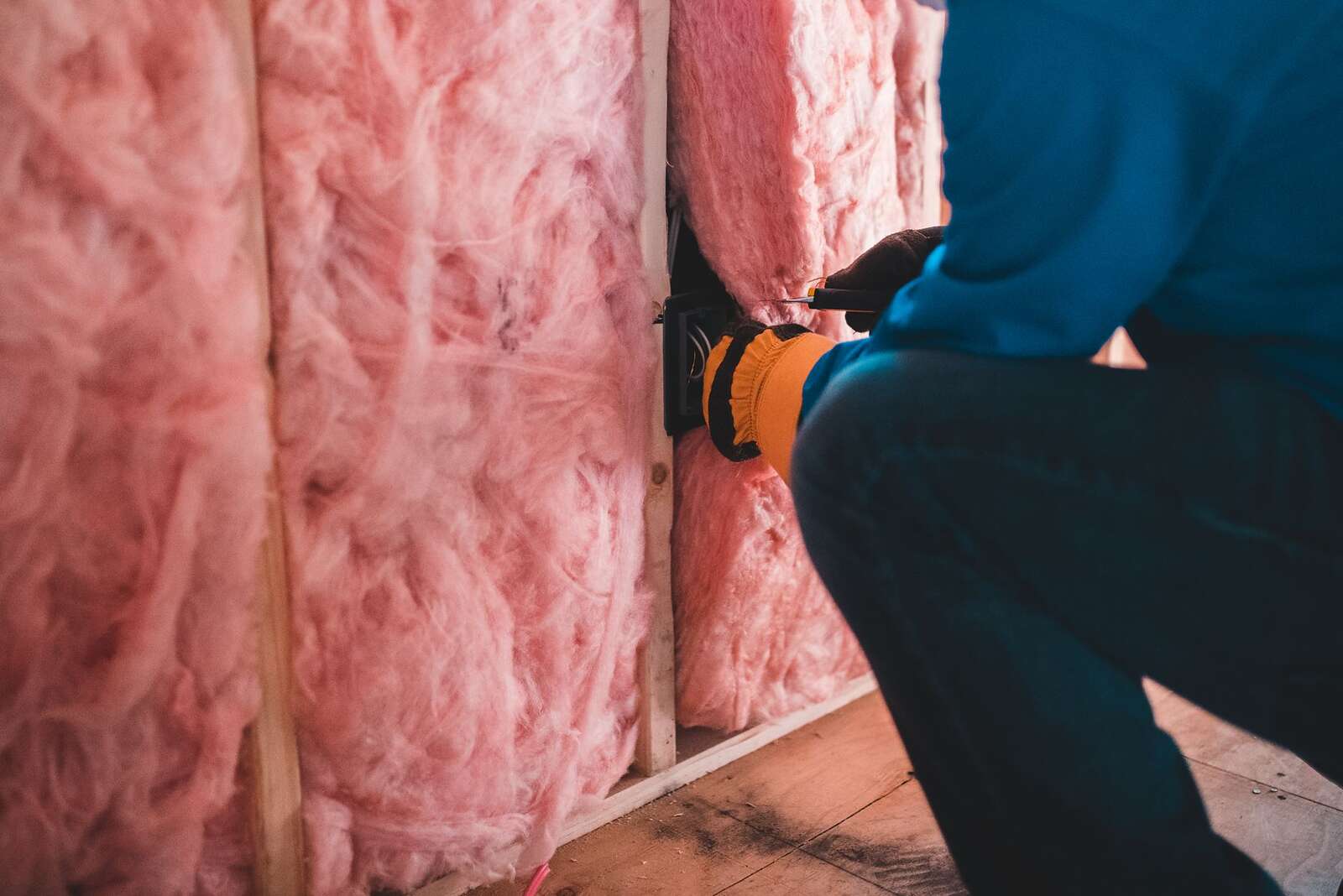
Attic Insulation Replacement After Rodents in Fort Lauderdale, FL
Insulation that roof rats have tunneled, soaked and packed down no longer does its job in a Broward attic. Licensed contractors handle every replacement we route, after the roofline is closed.
What attic insulation replacement covers in Fort Lauderdale
Attic insulation replacement in Fort Lauderdale is the final step of a rodent job: the old contaminated material has already come out, the framing has been treated, and new blown-in fill or batts are installed to the depth the attic needs. It is quoted as its own line, in dollars per square foot of attic floor, so it can be compared with any other bid for the same attic.
The replacement only makes sense once the attic is sealed and clean. New fill blown over old droppings traps the smell under a fresh layer, and new fill blown into an attic with an open eave course is bedding for the next colony. The contractor we route treats the insulation as the last item on the sequence and prices it that way.
- A depth and coverage check from the free inspection, with the square footage of the attic floor measured for the quote (see rodent inspection)
- Confirmation that the exclusion is complete and the attic cleanup is finished before the install date is set
- Air sealing of the ceiling plane where it is accessible: top plates, can lights rated for it, plumbing and wiring holes
- Baffles at the eaves so the new fill does not block the soffit vents that a South Florida attic breathes through
- Blown-in fiberglass or cellulose, or fiberglass batts, installed to a written target depth
- Depth markers left in the attic and a written record of the material, the depth and the coverage
For many homeowners this is the step that puts the whole episode behind them. The noise has stopped and the smell is gone, and a clean attic with fresh insulation is the point where the house feels like theirs again.
Signs the insulation in a Fort Lauderdale attic has to be replaced
Insulation that has been tunneled, soaked with urine, packed into nests or crushed flat under months of rodent traffic has to be replaced, and the inspection reads those signs from the hatch before anyone quotes a square-foot price. Two of them show up on the power bill before they show up in the attic.
- Blown-in fill matted and compressed along runs, with the surface a few inches lower than the joists it once covered
- Yellow or brown staining that stays after the droppings are vacuumed, and a smell that returns on hot afternoons
- Batts pulled apart, rolled into nests, or chewed through where they wrap a duct
- Bare spots where fill has been pushed aside to reach the top plate or a wiring hole
- Wet or clumped fill under a lifted tile or a cracked vent boot, which the Department of Energy notes performs poorly however it got wet
- Rooms under the affected area that run warmer in summer than the rest of the house, and a cooling bill that has crept up
The Department of Energy explains the mechanism plainly: insulation that has been compressed does not deliver its rated R-value, and insulation that has been wet performs poorly. A rat colony compresses the fill along every route it runs and wets it wherever it nests. There is no percentage to attach to that, because the loss depends on how much of the attic was affected, and any number a contractor puts on it is a guess dressed up as a figure.
Is it safe to do exclusion before trapping?
Exclusion before trapping is the correct order, and on an insulation job it is the only order that protects the money spent on new fill. Sealing the roofline first, with traps set inside the attic the same day, closes the doorway while removing the animals already through it. The contractor we route seals and traps together, verifies the attic is quiet, cleans it, and only then blows insulation.
The worry behind the question is that a sealed rat chews its way into the living space. That risk is managed by setting traps inside the attic at the same time the openings are closed, so a sealed animal meets a trap on its usual run before it starts looking for a new exit. What the worry does support is the rule against sealing with nothing set inside.
The sequence on an insulation job
Four steps come before the hose, and skipping any of them is paid for in a second install.
- Exclusion at the roofline: the tile eave course closed with a bird stop, soffit returns and vent screens replaced with metal, penetrations sealed (see rodent exclusion)
- Trapping until a verification visit finds no fresh droppings
- Removal of the contaminated insulation and decontamination of the framing
- Air sealing at the ceiling plane and baffles at the eaves
- New insulation to the target depth
Blown-in fill versus batts
Blown-in fill suits most Fort Lauderdale attics because it fills around the ducts, wiring and odd framing of an older house; batts suit an open, regular attic with a walk board and a homeowner who wants material they can lift and inspect.
| Material | Strengths | Where it falls short |
|---|---|---|
| Blown-in fiberglass | Fills irregular bays and around ducts, resists moisture better than cellulose in a humid attic, fast to install through a hose | Easy for a later rat to tunnel if the roofline reopens; settles slightly over time |
| Blown-in cellulose | Dense coverage, treated with a borate fire retardant that rodents tend to avoid, good sound control | Takes on moisture in a vented South Florida attic and clumps if it gets wet |
| Fiberglass batts | Can be lifted to inspect the ceiling plane, simple to replace in sections, no settling | Gaps at every duct and wire cut the performance; rats pull batts apart for nesting |
| Spray foam at the roof deck | Converts the attic to an unvented space and seals the deck | A different project with its own code path; it does not replace fill on the floor of a vented attic and it hides the deck from future inspection |
A blob of foam at the eave and a fresh layer of fill blown over old contamination are the two shortcuts that show up in cheap quotes. Ask what closes the eave course, and ask what came out before the new material went in.
Do I have to replace the insulation after rats, or can it be cleaned?
Insulation that rats have soaked and nested in gets replaced, because there is no way to wash urine out of fiberglass or cellulose, and insulation they only crossed can sometimes stay after the droppings are vacuumed and the surface is treated. The inspection draws that line from the staining, and both options should appear on the quote with a price.
Partial replacement is a real option in a large attic. If the colony kept to the bedroom side, that half comes out and is refilled, and the untouched half is topped up to the same depth so the attic performs evenly. What does not work is treating the surface and leaving soaked fill underneath: the odor returns with the first hot week, and the material stays compressed where the animals ran.
Age is the other factor. Insulation in a 1950s Coral Ridge attic or a 1960s Rio Vista attic is often original, thin and already below the depth a Broward attic wants, so a rodent job becomes the reason to bring the whole attic up to a modern depth in one visit, priced per square foot.
What attic insulation replacement costs in Fort Lauderdale
National cost data puts insulation removal and replacement at $2.50 to $5.50 per square foot of attic floor, so a 1,500 square foot attic falls between about $3,750 and $8,250 before the removal and cleanup are broken out. These are national figures from HomeGuide 2026, labeled as such because no Fort Lauderdale-specific survey exists, and the free inspection produces the itemized number for your attic.
| Line item | National band (HomeGuide 2026) |
|---|---|
| Insulation removal and replacement | $2.50 to $5.50 per sq ft |
| Attic cleanup and decontamination | $600 to $2,500 |
| Full-home exclusion | $500 to $2,500 |
| Full-scope restoration | $3,000 to $10,000 and up |
| Standalone inspection | $0 to $175 (free here) |
What moves a Broward quote inside that band: the square footage, blown-in versus batts, the target depth, whether the removal is partial or full, how much air sealing the ceiling plane needs, and access. A low hip-roof attic with the air handler in the center takes more labor per square foot than an open gable attic. Duct repair and electrical work from other trades are separate lines.
The national guides also price crawl-space and basement insulation that a slab-on-grade Fort Lauderdale house has no use for, so an attic-only quote here can land under the national spread for the same scope. A tile eave pushes the exclusion line the other way, because the whole length of the eave course has to be closed before the insulation goes in. Ask for the exclusion, cleanup and insulation as three lines, and ask whether any recurring plan is bundled into the total.
Fort Lauderdale attics by era, and who may do the rodent work
The insulation job in Fort Lauderdale divides by housing era: the 1950s and 1960s attics of Coral Ridge and Rio Vista, the 1920s attics of Victoria Park and Poinsettia Heights, and the newer block-and-tile stock west of the city, each with its own insulation history and its own way of letting rats in. The state rules on who may trap the animals apply to all of them.
Mid-century Coral Ridge and Rio Vista
A 1950s or 1960s single-family house in Coral Ridge or Rio Vista often still carries its original insulation, thin batts or a shallow layer of fill under a barrel tile roof with the original soffit screens. Those attics are the ones where a rodent job turns into a full upgrade, because the material is old, the depth is low and the ducts were added later through cuts in whatever was there. The eave course on original tile is also where the bird stop is most often missing or corroded, so the exclusion line on those houses runs the whole length of the eave.
The 1920s stock
Victoria Park and Poinsettia Heights houses from the 1920s may have had no attic insulation at all until a later owner added it, and the framing is irregular enough that blown-in fill is the practical choice. Aged fascia and the original ventilation openings carry the entry points.
Newer block and tile
Houses built in recent decades in the western suburbs and on the redeveloped lots east of US-1 usually have blown-in fill to a modern depth and a bird stop that was installed with the roof. The rodent job there is usually a partial replacement after a shorter occupation, and the entry points run to a displaced tile after a storm, a chewed vent screen or a palm frond laid on the ridge.
Condos and townhouses
A large share of the city lives in condo and apartment buildings, and in a townhouse row the attic often runs continuously above the party wall. Replacing insulation on one unit while the neighbor's side stays contaminated leaves the smell and the animals a short walk away, so the job is a board and property manager decision. The commercial rodent control page speaks to that.
Heat, humidity and storms
Fort Lauderdale attics are vented and run hot and humid from late spring through the fall, which is why cellulose is a weaker choice here and why baffles at the eaves matter: the new fill must leave the soffit vents open. The Department of Energy documents storms breaking and displacing roof tiles, one broken tile cascading into the next, and an attic that took water through a lifted tile holds wet insulation that performs poorly until it is replaced. The rain from June to November also drives roof rats indoors, so an attic refilled in the dry season with an open eave is refilled with animals by the wet one.
Licensing
Installing insulation on its own is building work, and the rodent trapping that precedes it is regulated: trapping rats or mice in, on or under a structure for hire in Florida requires at minimum an FDACS Limited Commercial Wildlife Management certificate, and any rodenticide use requires an FDACS pest control business license with a certified operator in General Household Pest and Rodent Control. FWC does not license rat and mouse trappers. Every contractor we route holds the FDACS credential the job needs, and the number can be looked up with FDACS before work starts.
What to check before the insulation goes in
Five checks protect an insulation quote: written confirmation that the roofline is sealed and the attic is verified clear, the material and target depth on paper, the price per square foot with the square footage stated, the FDACS license number on the trapping side, and the warranty terms on the sealing. Whoever attends should be able to answer all five before the truck is booked.
- Ask for the verification visit findings: no fresh droppings, and a list of what was sealed and with what material.
- Ask for the material, the target depth and the coverage in writing, and ask for depth markers to be left in the attic.
- Ask for the square footage on the quote and the price per square foot beside it, with removal and cleanup as separate lines.
- Look the FDACS license number up before work starts.
- Ask what warranty attaches to the exclusion, whether the term renews, and how many return visits are included if animals get back in after the new fill is down.
Bring the same list to every bid. The about page covers what the routed contractors are expected to put in writing, and the contact page is the place to ask before anyone comes out.
The services that usually run alongside this one
A Broward rodent job is a sequence of separate lines, and these are the pages that cover the steps on either side of this one.
- Attic Cleanup: Removing droppings and soaked insulation from a hot vented attic, then sanitizing it.
- Rodent Exclusion: Closing the tile eave with a bird stop, then the soffits, vents and penetrations, to the quarter-inch standard.
- Rodent Inspection: A free walk of the roofline, attic, exterior and dock line that sets the order of the job.
How the pieces fit together, and which license to look up, is covered on the about page. The contact page has the hours and the office address.
Taking out blown-in insulation
What the removal actually involves.
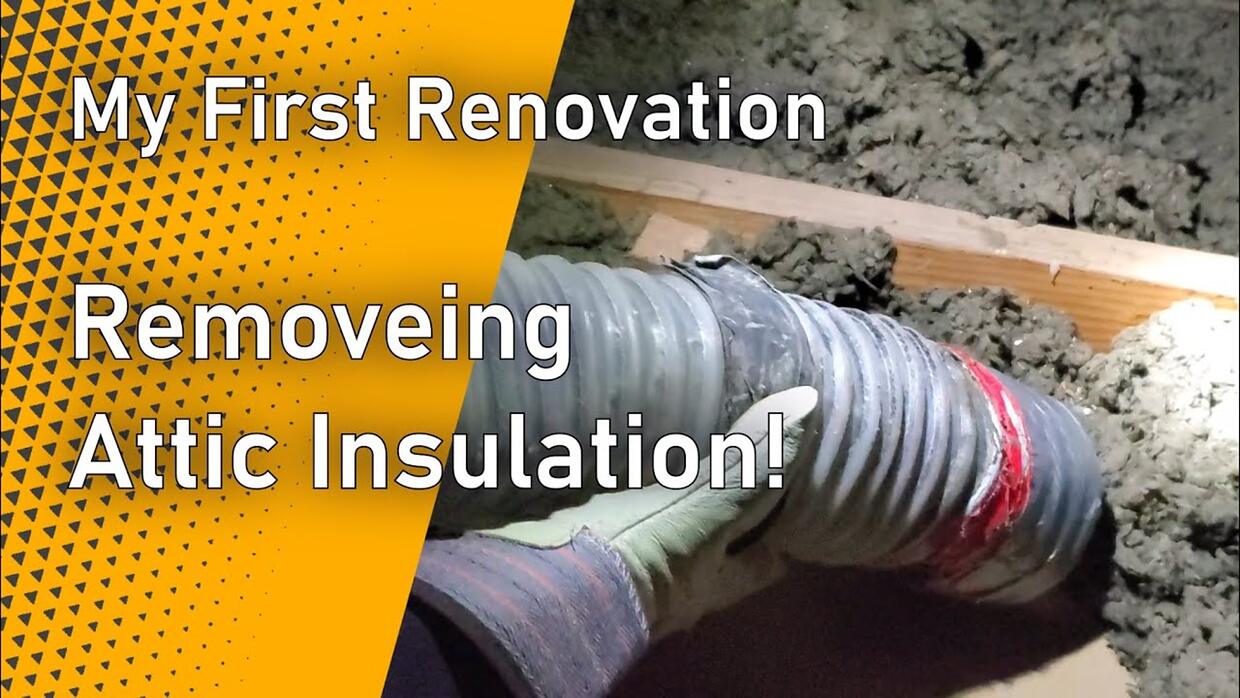
Video: How To Remove Blown-in Attic Insulation, from Jay Schmidt.
How an insulation replacement runs in Fort Lauderdale
New insulation is the last step of the rodent job, after the roofline is closed and the attic is trapped out and cleaned.
-
Free inspection and measurement
Whoever attends checks the fill depth, the staining and the roofline openings, measures the attic floor, and writes a quote with exclusion, cleanup and insulation as separate lines.
-
Exclusion with traps set
The tile eave course, soffit returns, vents and penetrations are closed with metal while snap traps go on the runs inside, so nothing new gets in.
-
Verification and removal
Once a return visit finds no fresh droppings, the contaminated fill comes out by hose or in bags and the framing is disinfected.
-
Air sealing and baffles
Top plates, wiring holes and fixture penetrations at the ceiling plane are sealed, and baffles go in at the eaves to keep the soffit vents open.
-
New insulation to depth
Blown-in fill or batts go in to the written target depth, depth markers are left in place, and you get a record of material and coverage.
Why Fort Lauderdale homeowners route insulation work through us
The fill goes in last, the quote is per square foot on its own line, and the trapping contractor's license is checkable.
Insulation goes in after the eave is closed
New fill in a Fort Lauderdale attic lasts only as long as the roofline stays shut, so the contractor we route closes the tile eave course with a bird stop, replaces the vent screens with metal and verifies the attic is quiet before the hose comes out. The Department of Energy lists installing bird stopping among its recommended measures for tile roofs, and it is the difference between a named metal component and a blob of foam that a rat clears in a night.
US Department of Energy: bird stopping is a recommended measure on clay and concrete tile roofs
Priced per square foot, on its own line
The inspection costs nothing and the quote lists the square footage, the material, the target depth and the price per square foot, with removal, cleanup and exclusion as separate lines. HomeGuide's 2026 national data brackets insulation removal and replacement at $2.50 to $5.50 per square foot, and a slab-on-grade Broward house with no crawl space or basement to insulate often lands inside or under that band for an attic-only scope.
HomeGuide 2026: insulation removal and replacement $2.50 to $5.50 per sq ft nationally
FDACS credential on the trapping side
The trapping that comes before any insulation job is regulated by FDACS in Florida, and every contractor we route holds the credential the job needs: a Limited Commercial Wildlife Management certificate at minimum, or a pest control business license with a certified operator where any rodenticide is used. The license number is checkable with FDACS before the first visit, and homeowners are encouraged to look it up the way they would a roofer's.
FDACS Limited Commercial Wildlife Management certificate, checkable in the FDACS license lookup
What Reddit Says About Attic Insulation Replacement in Fort Lauderdale
In the r/pestcontrol and r/HomeImprovement threads, insulation is where the sticker shock lives. Homeowners describe quotes for similar-sounding rodent work spanning from under two thousand dollars to tens of thousands, and the difference is usually the attic restoration line. The advice they give each other is to get several bids for the identical scope, to insist on a quote split into trapping, exclusion, cleanup and insulation, and to prefer a local operator to a national brand. A charge of around $75 just to get an inspection is a recurring gripe.
The red flags they name are specific. Insulation blown over an attic that was never cleaned. Sealing done with foam that the animals chew back out. A long monthly monitoring contract folded into the restoration number. Companies that keep coming back to reset bait for months while the attic gets worse, and the reverse mistake, sealing with animals still inside so they end up in the walls. One commenter summed up trapping with nothing sealed as harvesting rodents.
The questions they pass along are the ones to bring to an insulation quote: what exactly is included and what is a separate line item, will you clean and decontaminate or only trap, is the exclusion warrantied and does the warranty renew, how many follow-up visits are included, and what happens if they come back. The Florida threads add that palm fronds and overhanging limbs are the roof rat highway and that barrel tile eaves and soffit gaps are the usual way in, which is exactly why the sealing has to come before the fill.
Every contractor we route is expected to answer that list in writing before the insulation is scheduled.
A typical insulation call in a mid-century Coral Ridge house
The situation: The owners of a 1950s single-story house in Coral Ridge finished a trapping and sealing job in the spring, after a winter of noise over the primary bedroom. The attic was cleaned in May. What is left is a floor of original batts, thin and torn, with the bedroom side pulled apart for nesting and the whole attic below the depth a South Florida house wants. The cooling bill has crept up and the bedroom runs warm by mid-afternoon.
What gets done: Whoever attends confirms the bird stop was fitted along the original tile eave and the soffit screens were replaced with metal, and finds no fresh droppings. The attic floor is measured, the old batts are bagged and carried out, the top plates and wiring holes at the ceiling plane are sealed, and baffles go in at the eaves so the new fill leaves the soffit vents open. Blown-in fiberglass is quoted per square foot on its own line with a written target depth.
How it turns out: The fill goes in to the marked depth in a single visit, depth markers stay in the attic, and the owners get a record of the material and coverage beside the earlier list of what was sealed. The bedroom holds its temperature through the afternoon, and the attic is quiet through the following cool snap.
Insulation questions from Fort Lauderdale homeowners
These are the questions that come up once the rats are gone and the attic floor is bare.
Material and depth
Which insulation is best for a hot, humid attic?
Blown-in fiberglass is the usual choice for a vented Fort Lauderdale attic, because it fills around ducts and irregular framing and handles humidity better than cellulose, which clumps if it takes on water under a lifted tile. Batts suit an open, regular attic where the owner wants to lift a section and look at the ceiling plane. Whichever goes in, baffles at the eaves keep the soffit vents open, and the target depth is written on the quote. The material matters less than the order: sealed, trapped, cleaned, then filled.
Will rats come back into new insulation?
Rats return to new insulation only if the roofline is open again, which is why the exclusion is the part of the job to ask about. UF/IFAS gives a quarter inch as the rat-proofing standard, so every opening at the eave course, the soffit returns, the vents and the penetrations gets closed with metal against that figure before the fill goes in. Roof rats range about 150 yards from the den and travel along fronds and limbs, so keeping the canopy about six feet off the roof is the other half of the answer.
Timing and money
How long after the rats are gone should I wait to insulate?
Insulate after the verification visit, which follows the last quiet week of trapping and the cleanup. HomeGuide's national data puts trapping a few animals at two to three days and a severe infestation at one to two months, and roof rats are wary of new objects, so UF/IFAS advises leaving traps a week before judging them. The wait is measured in a clean attic with no fresh droppings, and booking the insulation truck before that point is how a second install gets paid for.
Is it worth topping up the rest of the attic while the crew is there?
It usually is in a 1950s or 1960s house, because the untouched half of the attic is often original material well below a modern depth, and the crew, the hose and the truck are already on site. Ask for the top-up priced as a separate per-square-foot line so you can decide on it apart from the rodent-related replacement. An attic filled to one even depth performs better than one with a deep new half and a shallow old half.
Still have a question? Call (954) 790-6402 and ask.

Book a free attic inspection before the insulation goes in
Call (954) 790-6402 or send the form. The line is picked up day and night, the inspection is free, and the insulation is quoted per square foot on its own line.